Skip to content

Animals

  • Sunflower sea star

    Sunflower sea star

    Order: Forcipulatida
    Family: Asteriidae

    Pycnopodia helianthoides

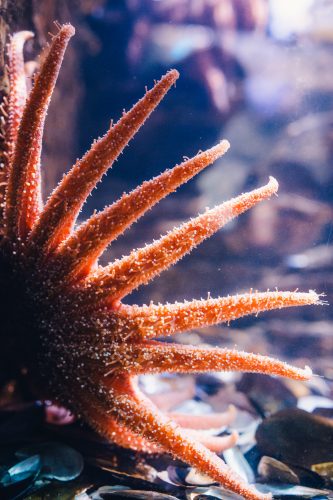
    Starfish (Asteroidea), like sea urchins, sea cucumbers, ophiuroids and crinoids belong to the phylum of echinoderms, i.e. animals characterized by a radial body symmetry. The Sunflower sea star is the only representative of the genus Pycnopodia occurring only in the northeastern part of the Pacific. Before 2013, it was commonly found in the area ranging from the Aleutian Islands in Alaska to San Diego, California. It prefers a tidal zone with sandy, muddy, gravel as well as rocky bottoms. It also lives among meadows of underwater vegetation. The body of this starfish is fleshy and requires constant contact with water, so in the event of a high outflow it will move into deeper areas. Most often it occurs up to a depth of 120m, although it was also observed at a depth of 435 m.

    It is one of the largest and heaviest starfish in the world. The maximum span of its arms is about 1m (usually 80 cm), and the weight reaches 5 kg. It also has the highest number of arms, ranging from 16 to 24, while most starfishes have 5 to 14. It is also the fastest starfish. It can move at a speed of 3m per min. and cover a distance of at least 3km. Over 15 000 ambulacral feet are used for movement. They are ended with suction cups that allow an animal to stick to the rocks. The body can have different colors, i.a. yellow, light orange and red to brown, and sometimes purple.

    This animal leads a solitary life. It is a predator which uses a strong sense of smell and receptors that are very sensitive to light in order to gain prey. Its mouth is at the bottom of the body. It mainly feeds on sea urchins. This diet is supplemented with algae, sponges, mussels, snails, sea cucumbers, other starfish, crustaceans and fish. Diet varies depending on geographical location and food availability. By eating sea urchins, it regulates the structure of the bottom communities.

    It is a gonochoric species, but there is no clear sexual dimorphism. Fertilization is external and random, individuals release gametes directly into the water. The larva is planktonic and feeds on phytoplankton. After a few weeks, it settles at the bottom and transforms into a young individual that feeds on plants. The young starfish has 5 arms. With age, more arms grow in pairs on both sides. Each new pair is inserted between the last pair created and the adjacent original arms. Juveniles fall prey to predators such as big fish, king crabs and otters.

    When threatened, it may throw away a part of its body and move away from a danger.

    It also releases a chemical substance into the water that alerts other individuals of the danger. After some time, the lost arm will grow back. If the detached arm had a fragment of the central body part, a completely new individual will grow out of it. This is a regeneration phenomenon. Regeneration is also a form of asexual reproduction in these animals.

    What happened in 2013?

    In the years 2013–2015, the number of this species dropped due to the sea star wasting disease and the increased water temperature caused by global climate change. The species disappeared from habitats off the coast of California and Oregon, and its population decreased by 99.2% in waters near Washington State. In 2016, a team of environmentalists studying the area of 3,000 km found a decrease in the population of the Sunflower sea star by 80-100% compared to 2013.

  • Sea cucumbers

    Sea cucumbers

    phylum: Echinodermata
    class: Holothuroidea

    Sea cucumbers
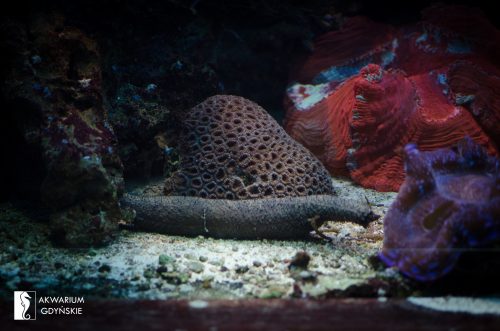
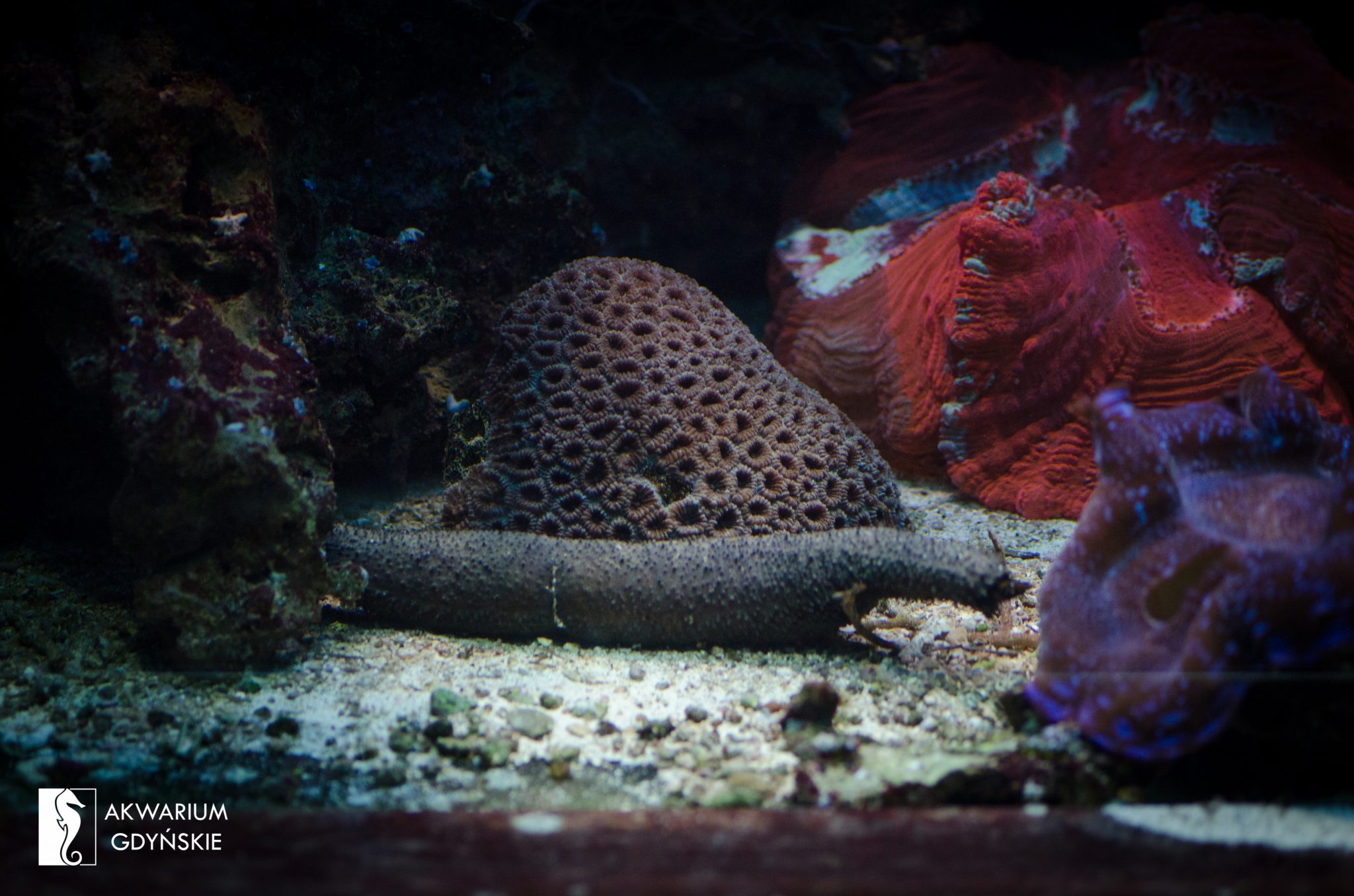
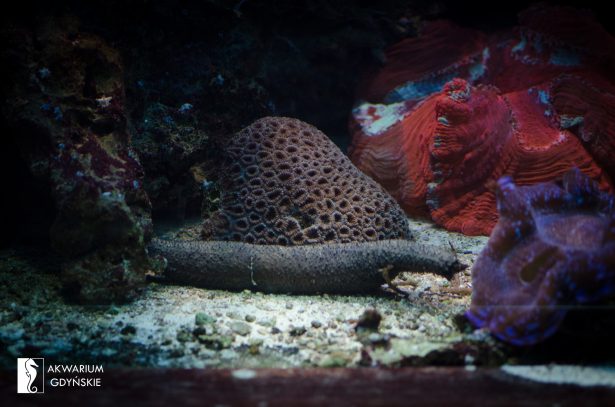
    At first glance, the sea cucumbers are not reminiscent of other representatives of the echinoderms, whose characteristic five-ray symmetry is lost in sea cucumbers to varying degrees. In some species central symmetry is visible through five “rays” extending from the mouth to the anus. In these rays pseudopodia (ambulacral legs) are located, i.e. the endings of the water system, which serve for locomotion, food tracking and attach an animal to the surface.

    The appearance of their body also differs from the appearance of other echinoderms, the mouth of which is located on the abdominal side, and the anal on the dorsal side. The body is elongated, bilaterally symmetrical, and their mouth and rectal opening are located at two opposite ends. The body has a ventral side (trivium) with three rows of ambulacral feet and a dorsal side (bivium) with two rows of pseudopodia.

    Due to their body shape, they are called sea cucumbers, although the shape may vary depending on the species from almost circular, through a sausage-like or serpentine caterpillar.

    They usually measure from 10 to 30 cm, but in extreme cases they are a few mm or over 3 m long. They do not have an outer skeleton, instead they have calcified structures reduced to microscopic cubes connected with connective tissue just under the skin. In some species these structures may have the form of flattened plates forming armor, while in some species the internal skeleton does not occur at all, e.g. in Palagothuria natatrix. Collagen tissues are also built into the body, which can change their mechanical properties, thanks to which the animal, by softening them, can squeeze through a small gap. However, to ensure safety, collagen fibers are shortened, then the body becomes firmer. This process is controlled by the nervous system and coordinated with muscle activity.

    These animals are associated with the seabed and are spread all over the world, but most of them occur in the Asia-Pacific region. It is estimated that among the 7 orders, containing 30 families, there are 1717 species of the sea cucumbers. Many of them are collected for human consumption. They play a useful role in the marine ecosystem because they help clean the bottom of decaying organic residues and fertilize bottom sediment. They form flocks that move across the bottom in search of food.

    Their mouth is surrounded by a crown of 8-30 tentacles, which can be straight, feathered, branched or branched and are used for feeding. The tentacles are modified ambulacral feet that can be hidden inside the mouth. Their appearance is one of the ways to identify particular orders. Identification of various species is also based on the appearance of limestone cubes embedded in the body walls. A significant part of the skeleton is a ring formed of ten limestone plaques surrounding the larynx. It is the attachment for the muscles that hide the tentacles, as well as for the main muscles of the body wall. Their digestive system is very simple. Many species have the esophagus and stomach, but for some, the throat opens directly into the intestine, which is usually long, curled, and passes through the body three times before it ends in the cloaca or directly as a rectum.

    Sea cucumbers do not have distinct sense organs, despite the fact that various nerve endings are scattered on the skin providing sensitivity, also to the presence of light. There are also tree-shaped breathing channels that open into the cloaca. To breathe, an animal draws water with oxygen through the anus and then expels it. Together with the intestines, they also act as excretory organs.

    In addition to the water system responsible for the movement of the ambulacral feet, they have a blood circulatory system.

    The blood vessels are connected by over 100 small muscle ampoules that act as miniature hearts.

    Due to the presence of white blood cells containing hemoglobin, their blood is red. Sea cucumbers are found in large quantities on the deep seabed, where they often make up the majority of animal biomass. They are the best adapted echinoderms to extreme depths. They vary greatly even at depths exceeding 5000 m. Moreover, at depths exceeding 9 km they account for 90% of the total biomass of macrofauna. The body of some deep-sea species, such as Enypniastes eximia, Peniagone leander and Paelopatides confundens, is built of hard, gelatinous tissue with unique properties that allow animals to control their own buoyancy, allowing them to move across the ocean floor, float or swim actively. Additional appendages on the body, e.g. resembling an umbrella, help them in swimming. Only one species, Pelagothuria natatrix, is typically pelagic because it never approaches the bottom. Sea cucumbers are scavengers. Their diet consists of plankton and decaying organic matter. In search of food, they sift the bottom sediment with the help of tentacles surrounding the mouth. 40 animals per square meter can process 19 kg of sludge per year. Some animals expose their tentacles towards sea currents and grab food directly from the water. The shape of the tentacles is adapted to the diet and size of the particles consumed.

    Mostly they are gonochoric species, with the reproductive system consisting of a single gonada which opens at the dorsal side of the animal, close to the mouth. Most sea cucumbers reproduce by releasing semen and ova directly into the water. In some species, e.g. Pseudocnella insolens, internal fertilization occurs. The fertilized zygote is transferred with one of the tentacles to a pocket located on the body of an adult, where it develops and eventually hatches as a young sea cucumber. It is known that several species give birth to their young in the body cavity through a small crack in the body wall near the anus.

    Many small animals can live in symbiosis with sea cucumbers. Some cleaning shrimps, in particular Periclimenes imperator, live on the body of sea cucumbers. Also, pearlfish is a commensal of cucumbers.

    Fry hides in a sea cucumber cloaka, which becomes a shelter from predators, in addition, the nutrients found in the cloaka are the source of nutrtion.

    Some species of polychaetes and crabs living inside the sea cucumber protect its mouth or breathing ducts. Not every species hosts free passengers, and so representatives of the Actinopyga genus have anal teeth that prevent visitors from penetrating it. As a rule, these animals have no enemies. They are ignored by predators because of the toxins they contain. Nevertheless, the molluscs of the species Tonna galea and Perdix tonna can paralyze sea cucumbers with a strong poison, and then swallow them. Some sea cucumbers defend themselves by expelling sticky tubules that stick to the predator.

    In case of danger, they remove part of their internal organs through the anus, including sticky tubules, which are food for the predator.

    Sometimes the removal of internal organs is also accompanied by the release of poison outside, which can kill other animals nearby. Removed internal organs regenerate within a few weeks.

    Sea cucumbers play an important commercial role. They are consumed by people in various forms. They are also widely used in folk medicine, as well as in the pharmaceutical industry for the production of cosmetics and medicines, including those for joints. It is suggested that sea cucumbers can be used to treat cancer and malaria. Unfortunately, due to the high use of these animals, they are caught, both legally and illegally. They are also increasingly grown in aquaculture. Their popularity as luxury seafood in East Asian countries poses a serious threat to their population.
  • Ocellate river stingray

    Ocellate river stingray

    Order: Myliobatiformes

    Family: Potamotrygonidae

    Potamotrygon motoro 

    This is one of seven species of the genus Potamotrygon inhabiting the southern part of South America. It is most commonly found in the Parana Basin, specifically in the midwestern part of Brazil, and can also be found in the Amazon, Uruguay, and Orinoco Basins. It prefers calm waters with a sandy base, especially streams and lagoons, and stays still during the day, buried in sandy sediments. It is closely associated with the base of rivers, so the depth at which it can be found depends on the depth of the river. In the upper Parana River, it occurs at depths of 0.5-2.5 meters, whereas in the Uruguay River, it occurs at depths of 7 to 10 meters. This cartilaginous fish defends its territory and leads a solitary life, undergoing migrations of unknown purpose that can cover more than 100 km. The information about its lifespan in the wild is unavailable, but in captivity it can reach the age of 15 years.

    It uses its sense of smell during hunting, and electroreceptors (ampullae of Lorenzini) are also helpful because they detect electric stimuli produced by organisms buried in the sand. The type of food it eats depends on age and habitat, with juveniles eating plankton and later expanding their diet to include mollusks, crustaceans, and aquatic insect larvae. Adults consume mainly fish and crustaceans.

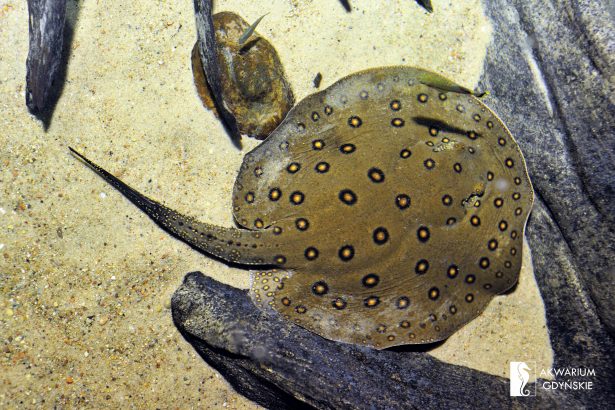
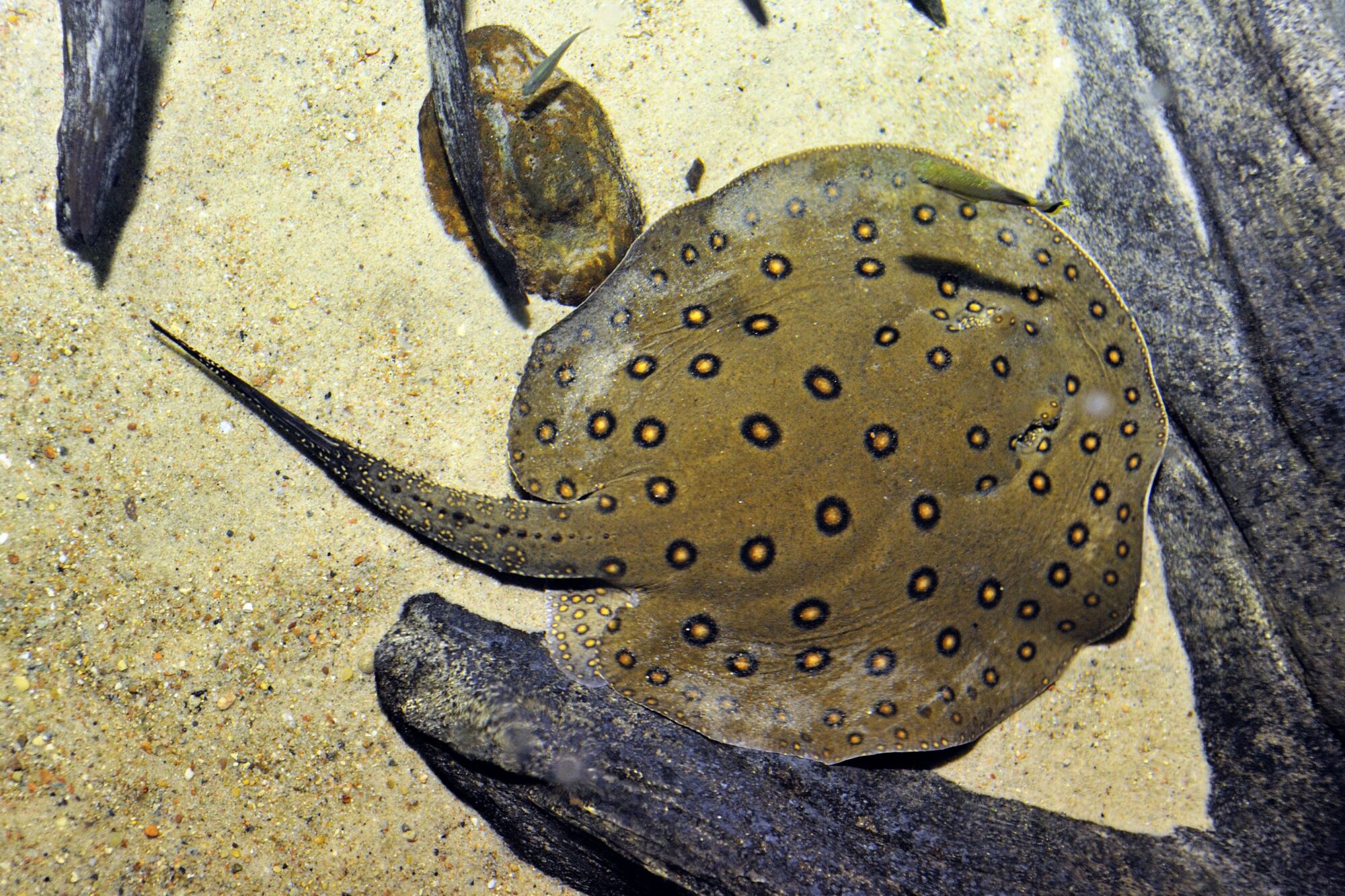
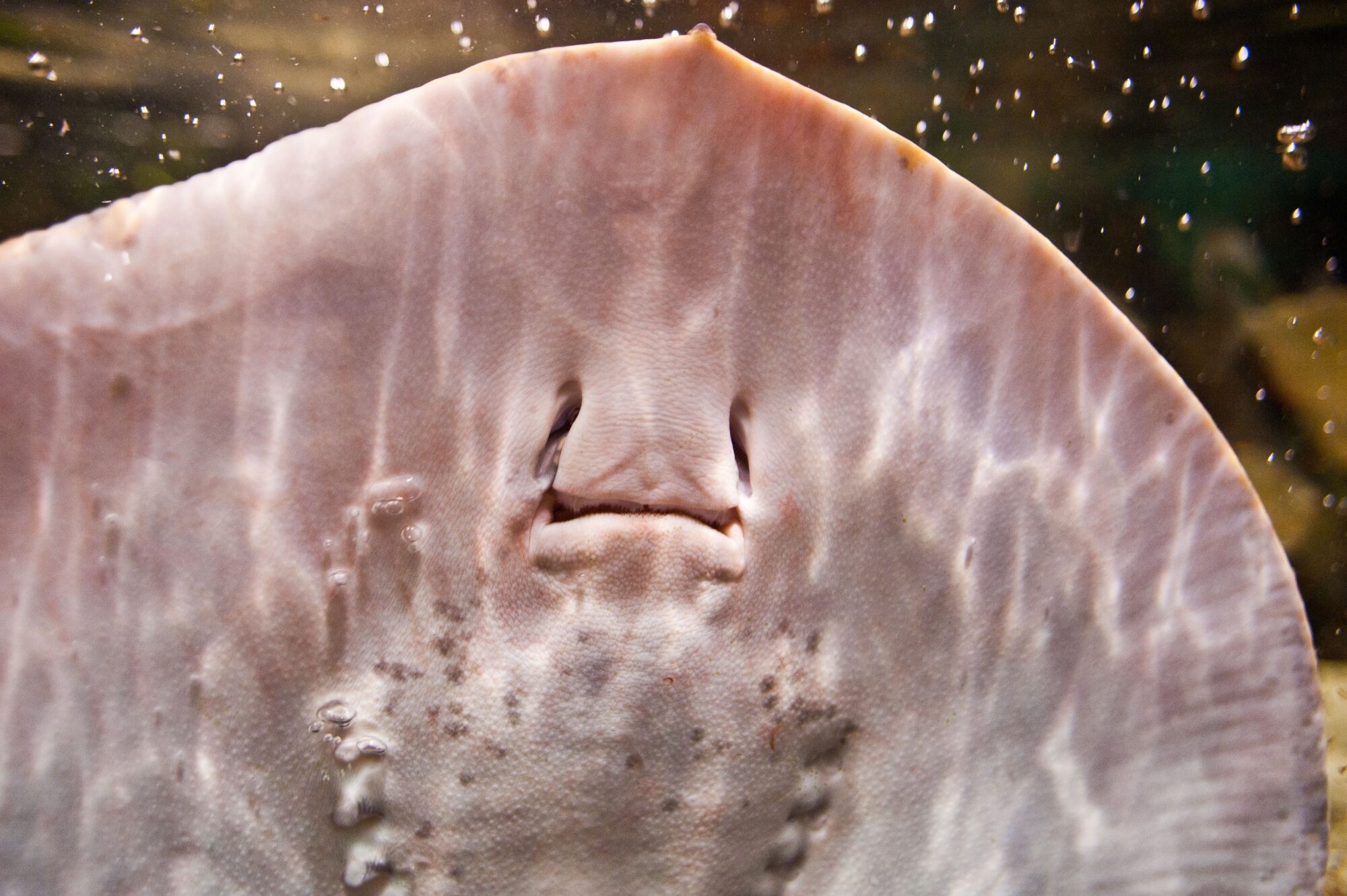
    The coloration of the animals also depends on the habitat. The dorsal side is beige, brown, or gray and has yellow-orange spots surrounded by black rings. The ventral side is light in color. Its flattened dorsal-ventral body has an oval shape with a robust tail that bears two venomous spines used for protection. The maximum length is 1 m with the shield being 50 cm wide and weight going up to even 35 kg, although usually they are smaller (60 cm long and 10 kg). The mouth is located on the ventral side, whereas the eyes are on the dorsal side of the head, which gives them a nearly 360° field of vision.

    Around the time of mating, the lips of the female’s cloaca become swollen and bloody, presumably from copulation (this may have given rise to the folk notion that female stingrays menstruate).

    This species exhibits polygyny, which means that one male can copulate with many females. At the beginning the eggs have the diameter of around 30 mm. During development their nutrition comes not only from gall bladder but also directly from the female’s womb. The secretion from the womb is rich in nutrients and it helps them develop way better compared to receiving nutrition from the gall bladder alone. Gestation lasts approximately 6 months and birthing usually takes place in the rainy season. From 3-21 pups may be born in a brood and the number of young in a brood is always odd. The younger females always have smaller broods. Juveniles are approximately 10 cm long. They will reach their sexual maturity at the age of 3. If the pregnant female gets caught, it will abort its embryos. Reproduction follows a cycle in which one brood is birthed every year for three years in a row, followed by a several-year reproductive inactivity. This fish is caught due to its tasty meat. Juveniles are popular on the market and sold as ornamental fish. It has few predators in its natural habitat. They themselves play an important role in controlling insect populations through their diet.

    How does the stingray move?

    When the stingray moves in the depth of water, it looks as if it were levitating. It uses its wide and well-developed pectoral fins, which can be found along the fish’s body, for swimming. When it moves along the base of the water it uses its pelvic fins with which it pushes itself of the ground.

    Below you can see the birth of stingrays in the Gdynia Aquarium.

  • Banded houndshark

    Banded houndshark

    order: Carcharhiniformes (ground sharks)
    family: Triakidae (houndsharks)

    Triakis scyllium

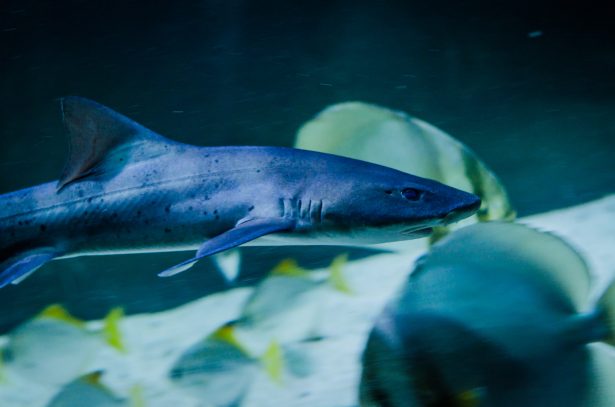
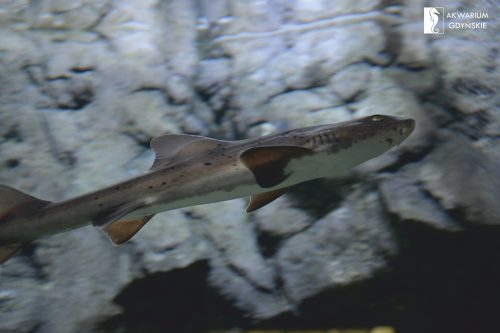
    This representative of cartilaginous fish inhabits the northwestern Pacific Ocean from southern Siberia, through Japan, Korea and China, to Taiwan. It is associated with the bottom of continental shelves, from very shallow depths up to 150 m. It tolerates lower salinity, which is why it is often found in estuaries and shallow bays, especially in sandy and vegetated areas, including seagrass medows. This medium-sized shark species grows up to 1.5 m in length. Males live 15 years, females 18. They lead a nocturnal life. During the day they look for hiding places, including in the caves.
    The Banded houndshark is a solitary species, but sometimes it rests in groups of several individuals lying on top of each other. Its food preferences change with age. Also, the larger the shark, the more varied its diet. The basis of the diet of young individuals are various fish. Mature sharks feed on benthic invertebrates such as sea bream, crustaceans (e.g. shrimps, crabs and mantis prawns), as well as cephalopods, including octopuses. Less often they eat polychaetes, tunicates and small bottom fish such as flatfish, conger eels and herring.

    The body of this species has a gray color on the dorsal part and a bright belly. In juveniles, darker stripes and dots are visible on the back, which fade with age. Its mouth is short, wide and rounded. Horizontally-oval eyes are placed high on the head. The mouth opening forms a short, wide arch and has long furrows in the corners that extend to both jaws. It has two dorsal fins, with the second one being slightly smaller. The caudal fin has a well developed lower lobe and a prominent notch near the top of the upper lobe. In juveniles, the lower lobe of the caudal fin is much less pronounced. Reproduction occurs in late summer.

    Courtship is brutal, the male swims parallel to the female and grabs her with teeth by the pectoral fin. Then she twists her body so that copulation is possible.

    It is an egg-bearing species, which means that the female produces eggs, but they remain in her body until the juveniles are ready to hatch. The female produces from 9 to 26 eggs, although batches as large as 42 young are also possible. Incubation lasts from 9 to 12 months. Juveniles are 18-20 cm long after hatching. Males reach maturity at the age of 5-6 years at a length of 93-106 cm, while females mature at the age of 6-7 years, when they are 106-107 cm long. The Banded houndshark does not pose a threat to people and adapts well to life in captivity. It is sometimes fished as by-catch (organisms accidentally entering the net), but its meat is not commonly consumed.

    Sharks – hope for human health

    Triakis is a typical cartilaginous fish. Due to its position in the process of evolution, both Banded houndshark and other shark species are used as genetic model species. Already in the 1970s, several biological substances derived from sharks were used in medicines or food additives. These included shark liver squalene, which was used in medicine and cosmetics, as well as shark cartilage extract, which strengthens bones and joints. For decades, more bioactive substances or biomaterials derived from sharks have been sought after, which is be useful in both medicine and industry.

  • Dwarf crocodile

    Dwarf crocodile

    Osteolaemus tetraspis

    Order: Crocodilia | Family: Crocodylidae

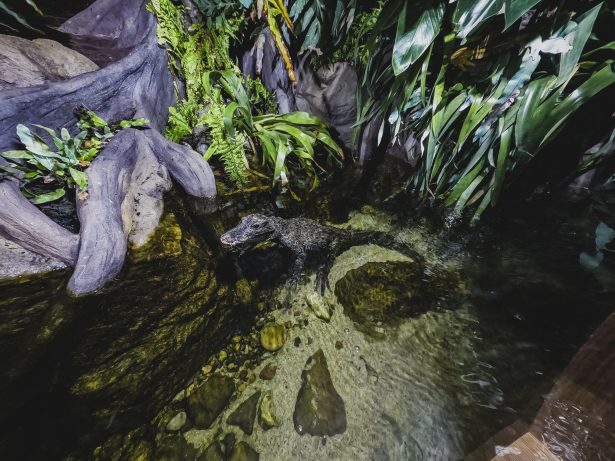
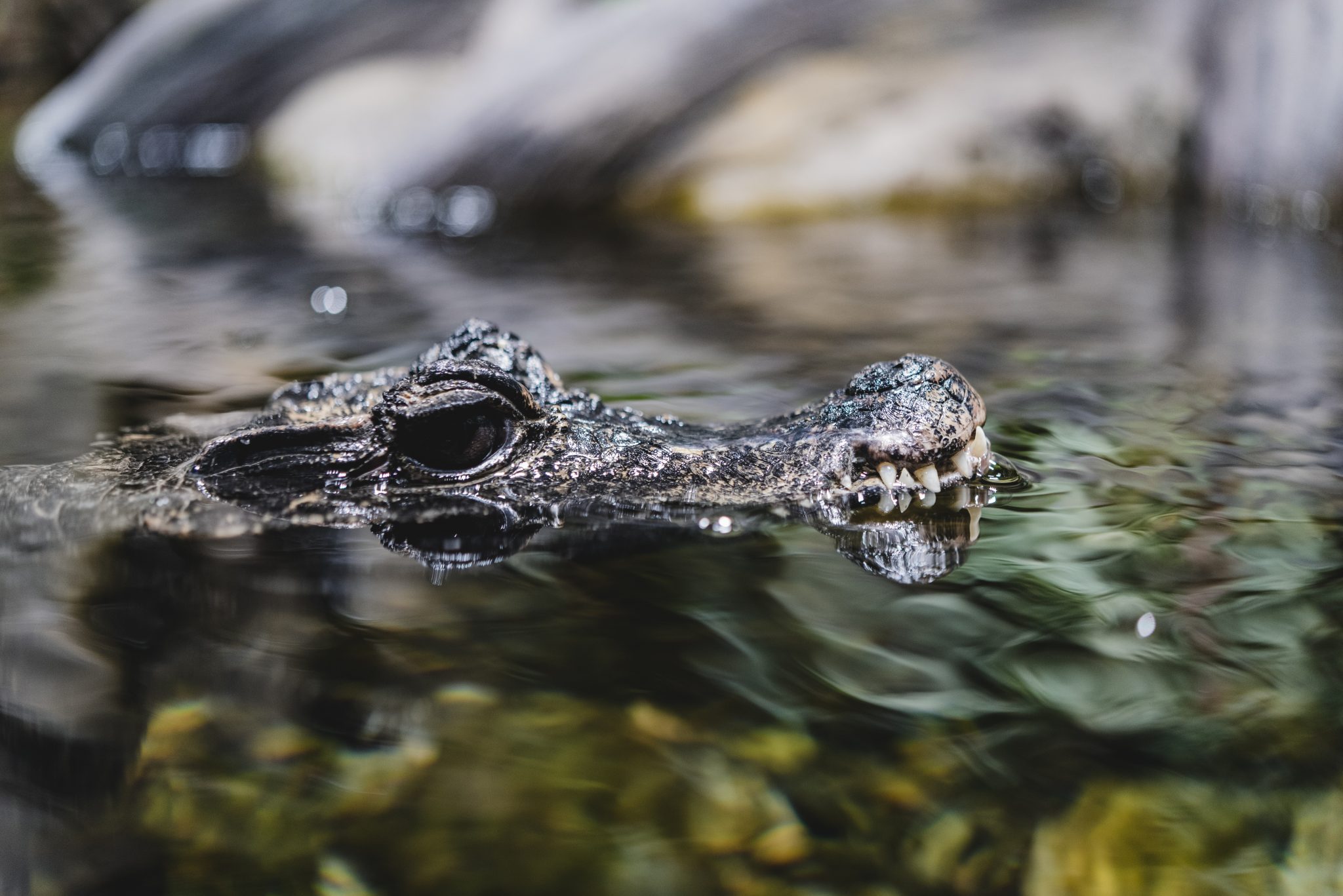
    The dwarf crocodile, the smallest species of crocodile, can be found in the tropical regions of Western and Southern Africa, including Senegal in the west, Uganda in the east, and Angola in the south. So far, two subspecies have been identified, O. tetraspis tetraspis and O. tetraspis osborni, but genetic analysis has revealed three distinct populations that should be treated as separate species. Each of these populations lives in a different region: O. tetraspis in Central Africa (excluding the Congo River Basin), O. osborni in the Congo River Basin, and an as-yet unnamed species that occurs in Western Africa. This crocodile prefers to live in shadowed, boggy forests or small, muddy, forested ponds that are often far away from large rivers, streams, and small rivers. It can also be found in saltwater in mangrove areas, but it avoids large rivers in their main sections. During the day, it hides in dug-out burrows or under flooded tree roots, whereas at night it is active and hunts both in water and on land at a certain distance away from water. Its diet consists of small animals, such as annelids, snails, insects, crabs, frogs, lizards, fish, water birds, and bats.

    Interestingly enough, it will also eat fruit.

    The largest specimen of this species was 1.9 m long, while the average length is around 1.5 m. O. osborni is the smallest of the separate species, not growing larger than 1.2 m, but it is also the most bulky of the crocodiles. Adults usually weigh between 18 and 32 kg, while the largest females can weigh up to 40 kg, and the largest males up to 80 kg. Its head is characterized by its blunt, short snout, with teeth adapted to crushing the shells of mollusks and the carapaces of crabs. Due to its small body size, the dwarf crocodile has a strongly armored neck, back, and tail, as well as osteoderms on its belly and the underside of its neck. Its eye color is unusual, appearing brown instead of the yellow-green found in other types of crocodiles. Adults have dark bodies with black patches that are also present on their yellow bellies. Individuals living in caves can have orange patches, probably due to bat guano that erodes the crocodile’s skin. Juveniles have a dark coloration with brown stripes on their body.

    When the young are ready to hatch, they produce sounds that attract the female. She helps them get out of the eggs and carries them to water. The young, after leaving their eggs, communicate with the female and between themselves through characteristic sounds.

    The dwarf crocodile leads a solitary life, gathering in groups only during the breeding season, which coincides with the wet season. During this time, females build nests out of decaying plants, where they lay around 10 eggs, although they may lay up to 20 eggs. These plants provide the ideal temperature for the incubation of the eggs, which the female guards. When the young are ready to hatch, they produce sounds that attract the female, who then helps them emerge from the eggs and carries them to water. The young communicate with the female and among themselves through characteristic sounds. The female looks after the young in the water because they may fall prey to predators. The young reach sexual maturity at a length of 1 meter for females and 1.3 meters for males. This species is successfully reproduced in captivity, and while juveniles are docile and non-aggressive, adults can be aggressive, depending on the individual’s territorial instincts.

    The Dwarf crocodile on the IUCN list

    This species is considered vulnerable and is under international protection. It is listed in Appendix I of CITES and Appendix A of the EU. Its population in the wild is said to be between 25 and 100 thousand, but it is hard to estimate due to the crocodile’s tendency to hide. Humans are the biggest threat to these animals. Indigenous people hunt them for their meat and skin.

  • Wobbegong shark

    Wobbegong shark

    Order: Orectolobiformes
    Family: Orectolobidae

    Orectolobus wardi

    The Northern Wobbegong is a representative of cartilaginous fish inhabiting the waters of the Western Pacific Ocean surrounding the northern part of Australia from Queensland through the Northern Territory to Western Australia. It is associated with coral reefs, where it is most often found at shallow depths of 1 to 3 meters, frequently in places with turbid water. Sometimes it is also found at a depth of up to 40 m.

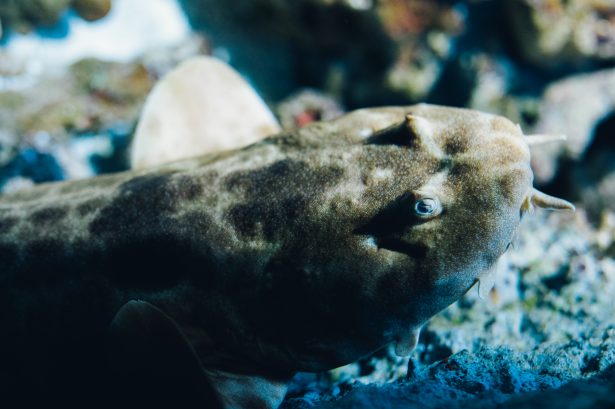
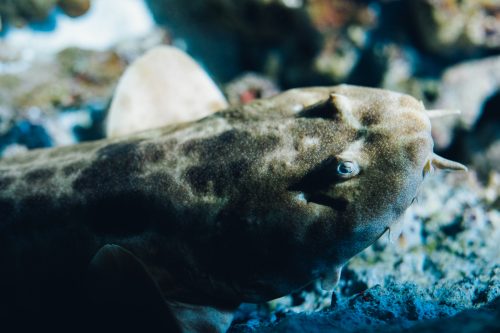
    It leads a night life and reaches a small body size. Its total length is at least 63 cm, and individuals up to 1 m in length are also found. Its body is flattened due to its way of life, where it spends most of its time lying on the bottom. There are also characteristic growths on the head, resembling a beard, which are used to attract the victim as well as for camouflage. The very name ‘wobbegong’, derived from the Aboriginal language, means “shaggy beard” and it refers precisely to the appendages around a shark’s mouth. The colors of his body vary, but are mainly based on shades of brown. Rounded dark spots with light outlines interspersed with wide dark areas and several large dark spots (saddles) are visible on the back. Their coloration is ensured by an excellent camouflage, which is additionally supported by the ability to change the color of the body within a few days.

    Despite the fact that this animal lives in shallow waters, it is still poorly understood. Presumably it feeds on benthic invertebrates and fish, but its diet is still unknown.

    What is certain is that it is an ambush predator that uses its camouflage to hide among rocks and reefs and catch smaller fish that come too close.

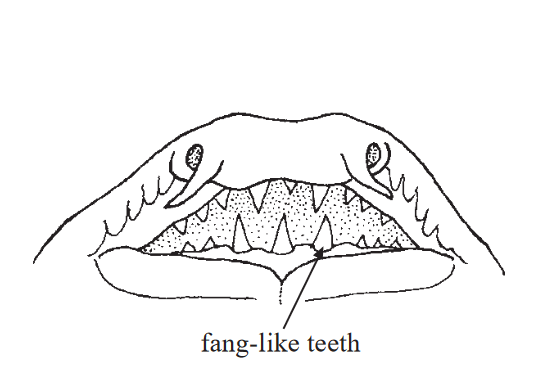
    During attack, the wobeggong sucks prey into its mouth, where it is hooked on sharp teeth. It has two rows of enlarged canine-like teeth in the upper jaw and three in the lower jaw. Scuba divers have also observed a different way of hunting, where a shark creeps up on it. Due to their slow metabolism, they do not need to eat as often as other sharks.

    It is a dioecious and oviparous fish reaching sexual maturity with a total length of 45 cm. The female lays eggs that remain in her body, but are not connected to it in any way. The embryos get their nutrients only from the yolk. The number of laid eggs is unusual. Litters count 20 individuals and more. After hatching from the egg, a young, fully developed individual leaves the female’s body. Wobbegongs are used in Australia in the catering industry as a meat ingredient in “fish and fries”. Patterned leather is also used for the production of leather goods.

    How does a wobbegong breathe?

    Carpet sharks breathe differently than deepwater sharks, which swim with their mouths open, thus ensuring a continuous flow of oxygenated water through their gills. Due to the sedentary lifestyle of wobbegons and the location of their mouths on the underside of the body, taking oxygenated water through their mouths would also involve taking sand from the bottom. Consequently, the carpet shark breathes through its spiracles, which are of considerable size and just behind the eyes. They are more visible than the eyes, thus protecting them against attacks by other animals.

Skip to content