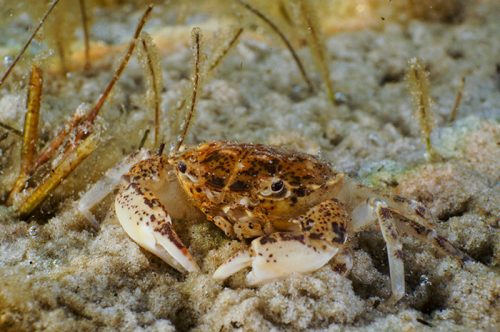
 The classes aim to familiarize participants with the ecosystem of the Bay of Puck, which as a valuable natural reservoir, has become the first protected marine area in Poland. Inner Puck Bay has excellent conditions for the development of life on the bottom and in the water, because it is characterized by a small depth and low impact of open sea waters. These factors influenced the development of rich plant and animal assemblies, and as a result the creation of the reservoir that distinguishes the greatest biodiversity in the entire Polish coastal zone.
Educational classes
-
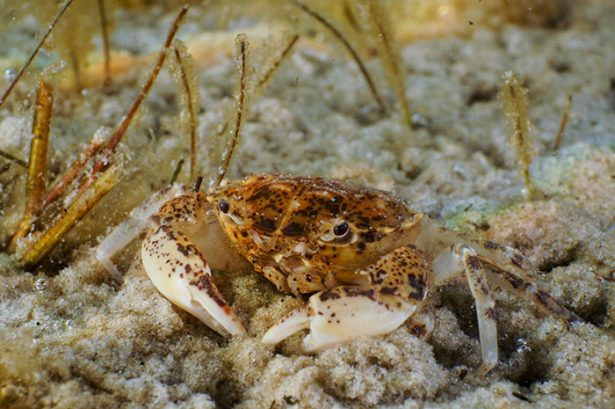
Biodiversity of the Bay of Puck
-
Meeting with the Baltic Sea
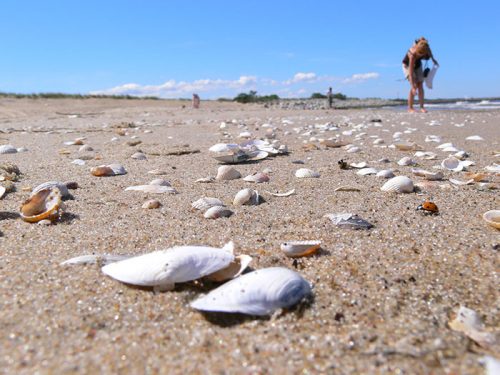 Topic proposed in the period from April to September. The first part of the class is a 30-minute multimedia presentation “What lives in the Baltic Sea – a walk on the beach”, during which children learn what animals they may encounter on the beach during an ordinary walk, what lives in the coastal waters of the Baltic. The second part, also 30 minutes long, is an exit to the waterfront, near the Gdynia Aquarium with nets – landing nets. In this part of the classes, children under the care of a lecturer fish coastal organisms, which then, after returning to the Aquarium, watch in the laboratory. Work in the laboratory lasts another 30 minutes. Children using magnifying glasses and binoculars watch caught specimens and previously prepared biological material, recognize Baltic shrimps and mussels. During classes, children complete prepared work cards. The conditions for conducting field classes are appropriate weather. In the event of exceptionally unfavorable weather conditions, we reserve the right to cancel the field part of the classes and exchange laboratory classes.
 -
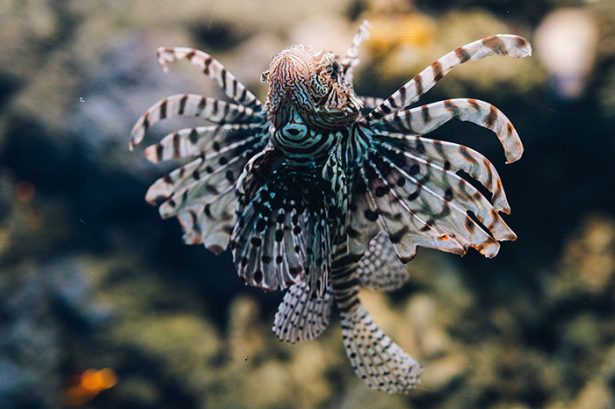
Dangerous marine animals
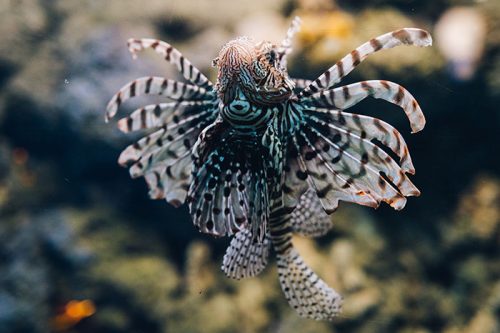 How can we threaten animals living in the seas? Can only the shark be a threat? Should we be afraid of the snails? Which marine animals are considered the most dangerous to man? Is the sea wasp an insect? These and other questions will be answered in about 45 minutes, in presentation full of curiosities. During the lecture there is a possibility to fill educational materials.
 -
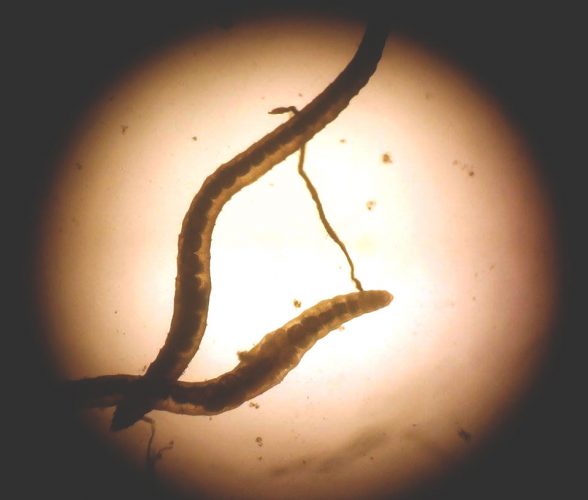
Microscopic world of water bodies
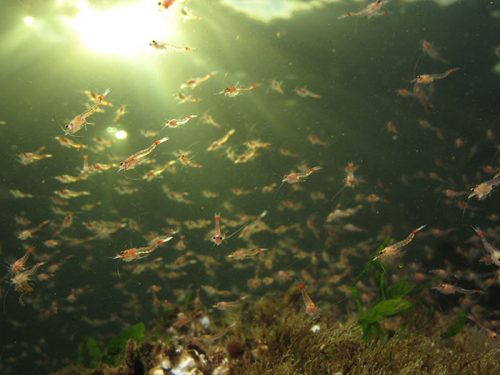 The lesson is divided into 2 parts. The lecture deals with the role and importance of aquatic micro-organisms in the environment and human life. During the course we will learn about the presence of bacteria visible to the naked eye in the Atlantic bottom sediments, bioluminescence microorganisms, plastic and oil digestion capabilities, as well as blue biotech products. Water microorganisms are an invisible power that often resides in environments inaccessible to others. Today, the last passengers on the Titanic are micro organisms. Under laboratory conditions, participants learn about the division of plankton by composition and size fractions, microscopic observation of Atlantic herring larvae, fry and Antarctic krill.
 -
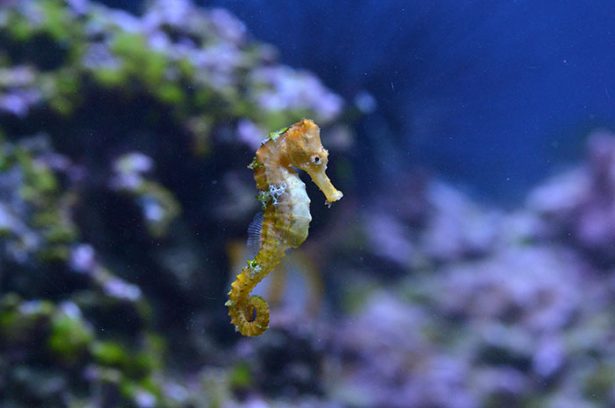
Coral cove creatures
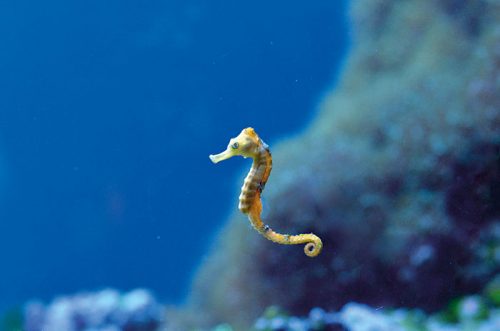
The class includes a 30-minute multimedia presentation and a 30-minute practical part. During the presentation, children learn what is a coral reef and get to know some interesting reef creatures. The practical class is held is in the laboratory, where pupils use binoculars to observe structure of the coral colony, the sea horses and sea stars. They also gain basic knowledge about the anatomy of sea urchins and brittle stars. Every student works with educational materials and have several tasks to complete.