The Sea goldies are found in large clusters around reefs. They can often be found near shipwrecks. Antias changes sex, which – according to the observations of biologists – is not uncommon among marine fish. All Sea goldies start their lives as females. As they grow up, some of them become males and form specific harems. When a male dies, within three days the strongest female can change sex to replace him. This is a phenomenon called protogyny. Some individuals change sex and become males as they mature. You can notice a pronounced sexual dimorphism; the male reaches 15 cm and is the color of fuchsia, while the females are two times smaller and are colored orange.
Tambaqui are the largest representative of the piranhas’ family. It lives in overgrown rivers and streams of the Amazon basin. Its characteristic feature are massive teeth. Due to its size, it needs a large aquarium, as it can sometimes attack smaller fish. It is a valued edible fish.
Pacu resembles piranha in shape and has one more thing in common with them. Both of these species fell victim to a bloody rumor that turns out to be quite innocent. In 2003, a lost representative of pacu was observed in the waters of the Baltic Sea. This initiated a considerable panic among tourists. The media reported that this fish likes in male testicles. This is absolutely not true! Pacu feeds on nuts and fruit that fall from the trees.
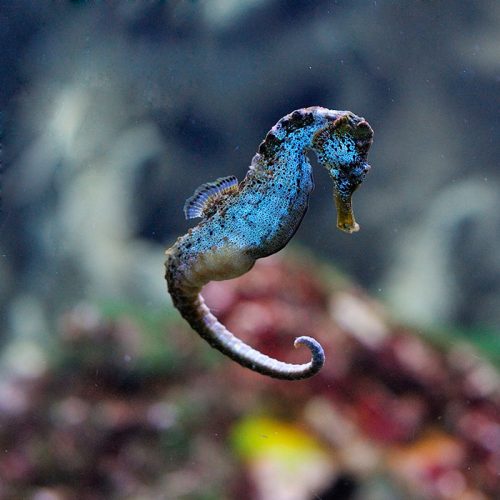
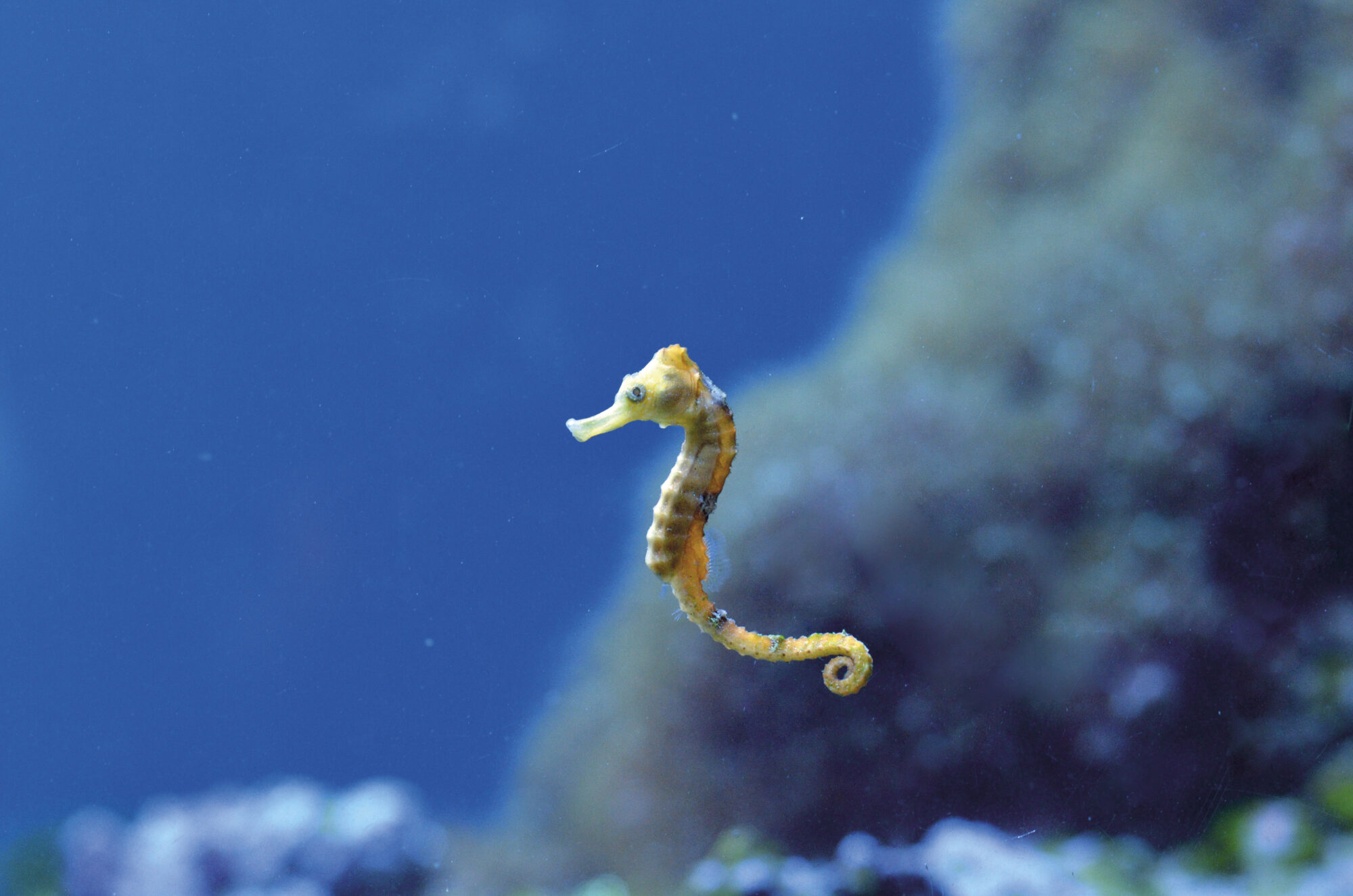
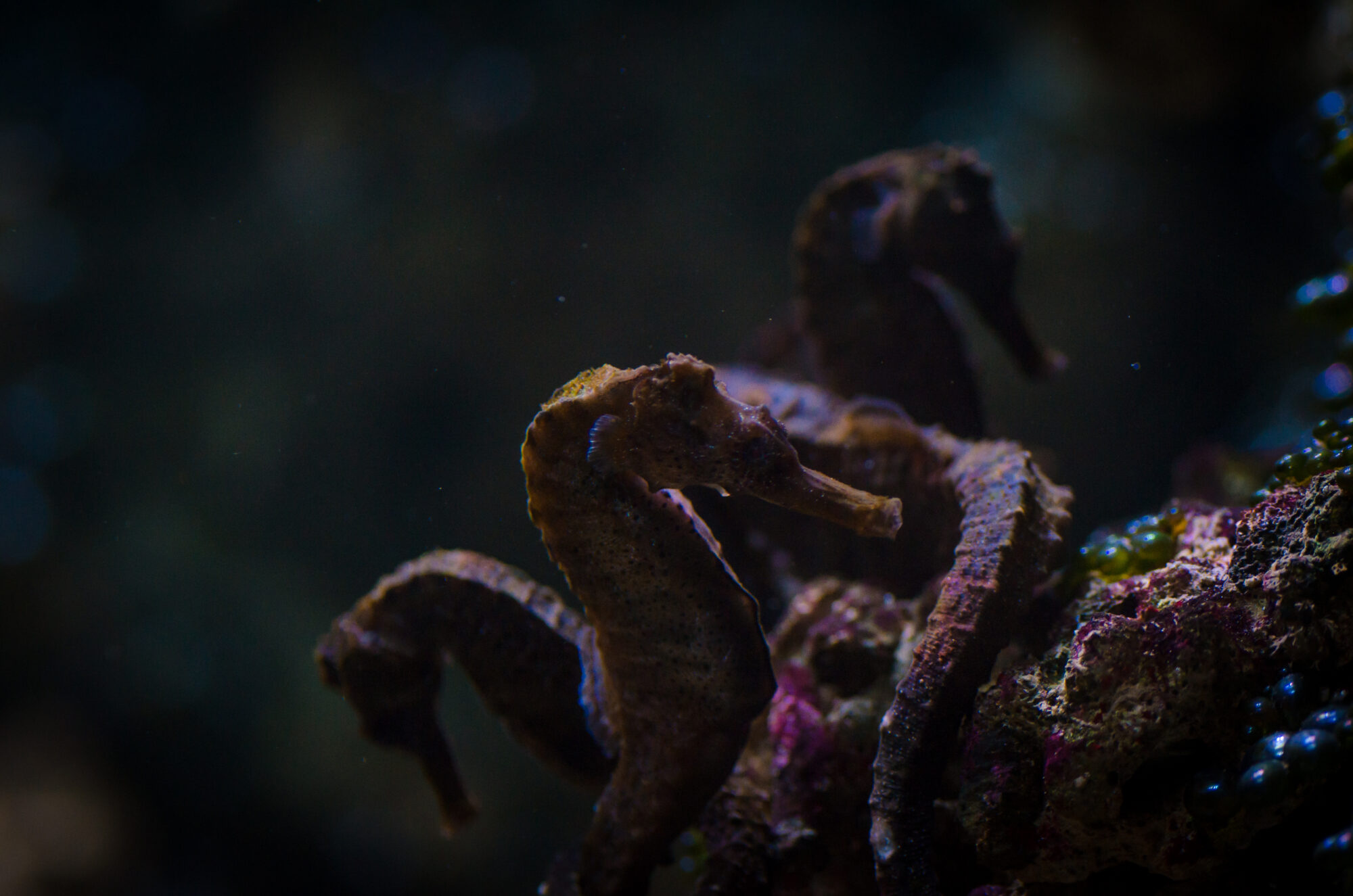
It is a coastal seahorse species, which inhabits coral reefs, areas overgrown with seagrass and seaweed, river mouths, and mangroves, from North Carolina in the United States, through the whole Gulf of Mexico and the Caribbean Sea, to Southern Brazil. The young prefer shallow waters, whereas adults can live in depths up to 55 meters. The average lifespan is 2,5 years and its maximum length is 17,5 cm. They are predators and often wait completely still for prey rather than actively chasing for it. Their diet consists of crustaceans, such as shrimp, copepods, gammarids, but also ostracods and nematodes. The juveniles mainly eat insects and the eggs of mollusks and crustaceans. They are poor swimmers, due to their body structure, but they make up for that with their prehensile tails, which can grab onto many different objects. They are active during the day, but they stop swimming when night comes and clatch onto corals with their tails and stay there until sunrise. They most often lead solitary lives, but couples are not a rarity, they are also seen in groups of more than two individuals. When it comes to the coloration, it varies from black to yellow, red, orange and brown, with many white spots, mainly on the tail. An interesting aspect is how quickly they can change coloration to blend in with their surroundings.
Similarly to a chameleon, their eyes move independently, so one eye can look down, while the other looks forward.
As a monogamous species, they couple up for life. During courtship, the male impresses the female with quick color changes and swimming displays. Males take care of the eggs, and they have a special pouch into which the female lays eggs, which are subsequently fertilized by the males. Young seahorses hatch after two weeks. These juveniles are sustenance for large pelagic fish, such as snappers or tunas. The Gdynia Aquarium is proud to have been able to reproduce these seahorses.
IUCN Red List
This is a ‘near threatened’ species. The development of coasts has caused the loss and degradation of their natural habitats, especially mangroves. However, the biggest threat is through bycatching during artisanal and industrial fishing. This species is utilized in regional medicine, the production of jewelry, charms, and amulets, whereas living organisms are sold as aquarium fish.
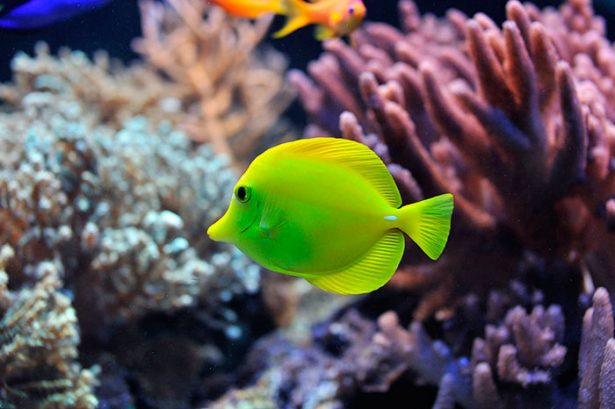
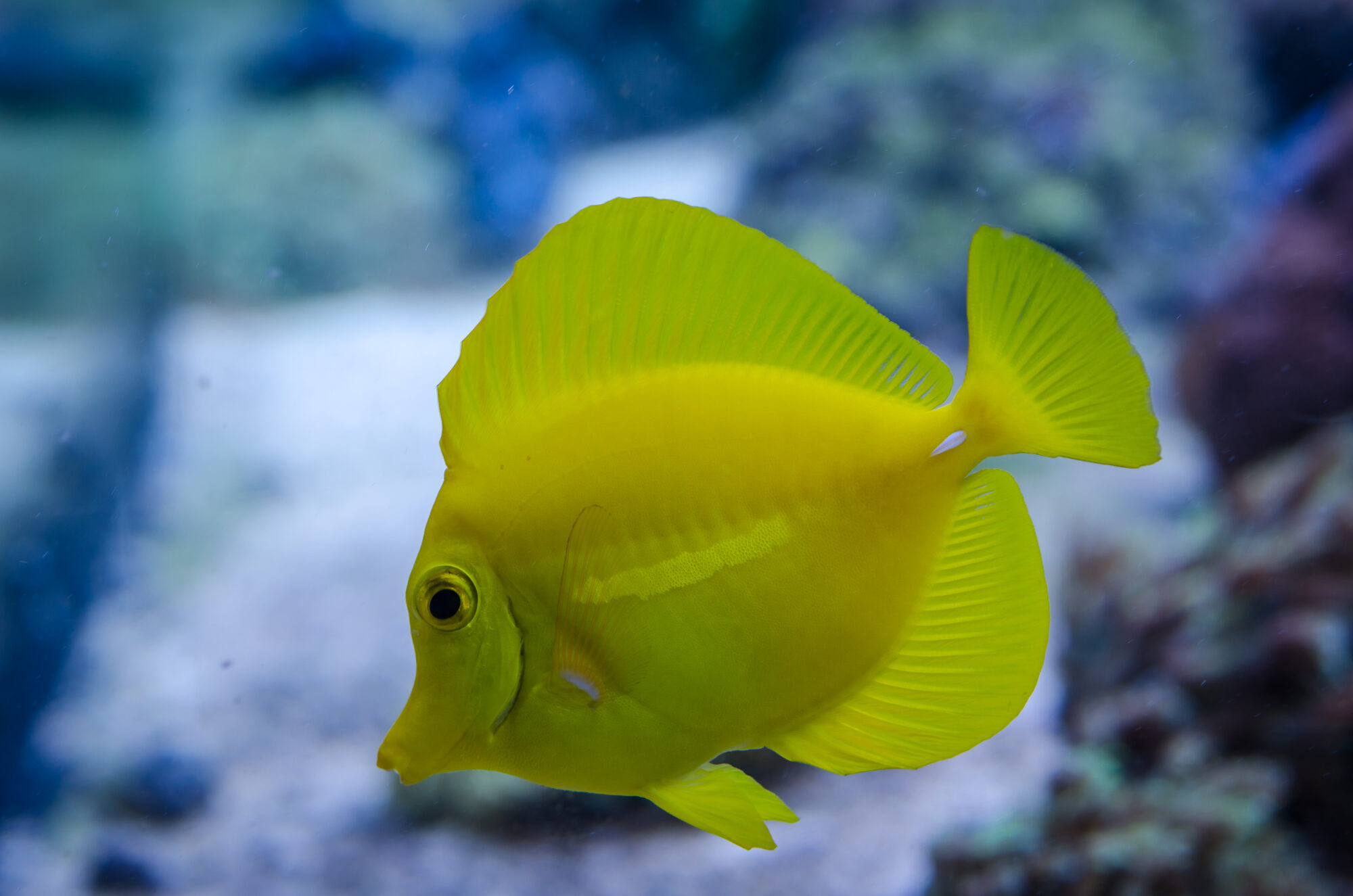
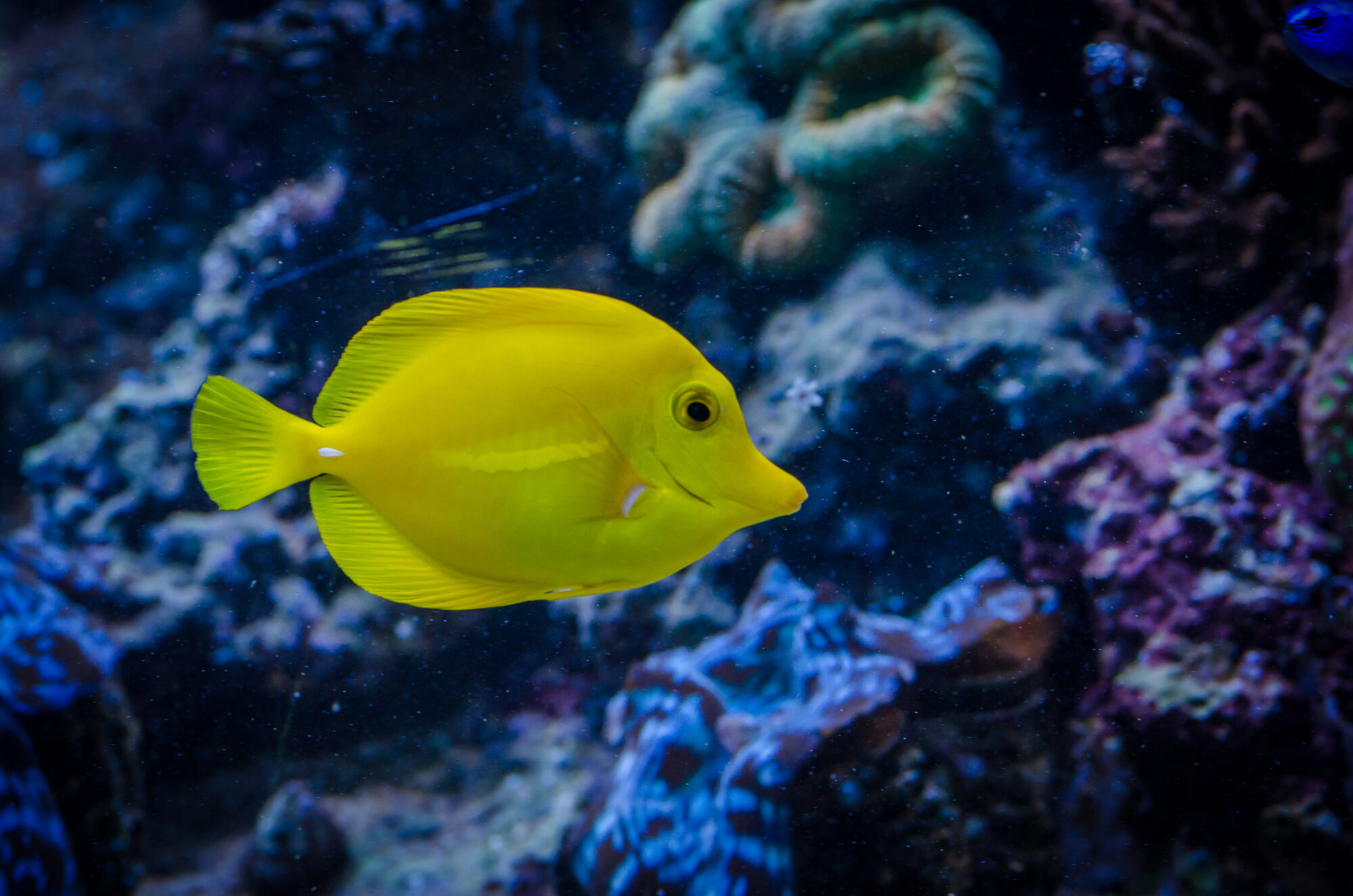
This species can be found in the waters of the Eastern and Southern Pacific Ocean, around the Philippines, Vietnam, Papua New Guinea, Guam, Southern Japan, Micronesia, Hawaii, and the Marshall Islands. It is most prominently found in Hawaii, where it’s used as an aquarium fish. It inhabits regions with a lot of coral and lagoons on the edges of reefs. It is possible to find this fish anywhere from 20 to 40 meters below the surface, but it’s more common to appear around the 20-meter mark. Its sustenance is comprised mainly of algae that grows on corals and the seabed. It has the habit of cleaning the algae that grows on the shells of turtles. It can live longer than 40 years, and it can grow to 20 cm in length. It grows very quickly in the first years of its life; a two-year-old fish can already be 10 cm long. After reaching maturity at around 5 years, the growth slows down heavily. Females reach maturity earlier, at around 3-4 years of age, while males take 4-5 years. As a result, females tend to be smaller. It can be found alone, in pairs, or in small groups in the wild, but it doesn’t stay in those groups for life. It is aggressive towards other representatives of the Acanthuridae family. It’s a very active and curious fish during the day, and at night, it looks for shelter.
The body of the yellow tang has a characteristic vibrant yellow color, which pales during the night, and its sides develop a darker coloring.
Like other Acanthuridae, it has two sharp spikes at the base of its tail to protect itself or to help during battles for territory. It most probably does not have a poisonous gland next to those spikes. It is dioecious and egg-laying. Spawning occurs in pairs or small groups, and it’s tightly connected to the phases of the Moon. Males demonstrate interesting mating dances during spawning.
Daily travels of the yellow tang
There is a distinct division in terms of habitat between juvenile and adult fish. The juveniles inhabit the deeper regions of coral reefs, where they find shelter. After reaching maturity, they change their habitat to shallower regions, which have abundant algae growth and greater biodiversity. The daily migration of juveniles isn’t as extensive as the migration of adults, which can cover even 800 meters between their day and night shelters. They spend their day seeking food in the shallow (<10m) regions rich in algae, and at night, they look for shelter in the deeper parts of the reefs.
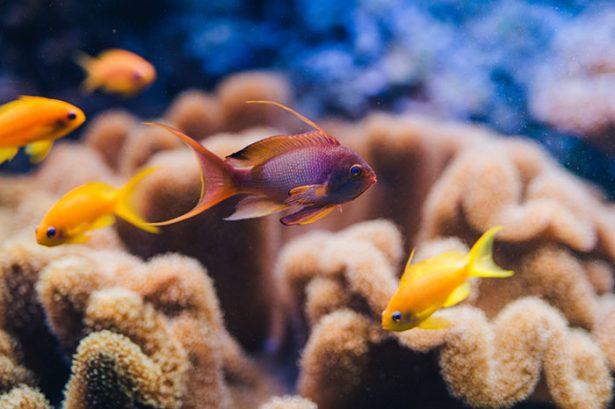
 Pseudanthias squamipinnis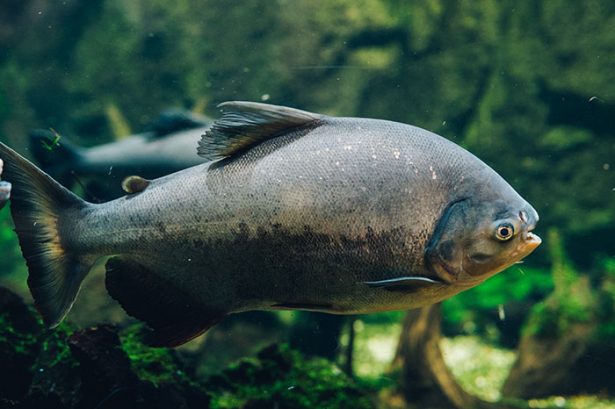
 Colossoma macropomum