Skip to content

Projects

  • New exhibition

    New exhibition

    Unusual species of jellyfish, unique crustaceans, and an exhibition built below sea level. We are opening the largest complex in Poland, presenting the environment of the seas of the cold northern hemisphere. Opening on April 20, 2024.

    The construction works for the implementation of the new investment in the Gdynia Aquarium started in 2021. From the very beginning, it has been an extraordinary challenge, the effects of which will soon be observable. Over the course of 4 years, an exhibition was created at the Gdynia Aquarium, showcasing the fauna and flora of cold seas. This includes over 30 species of animals, three times the volume of water compared to all of our previous tanks combined, and new experiences for visitors.

    Below the surface of the Baltic Sea

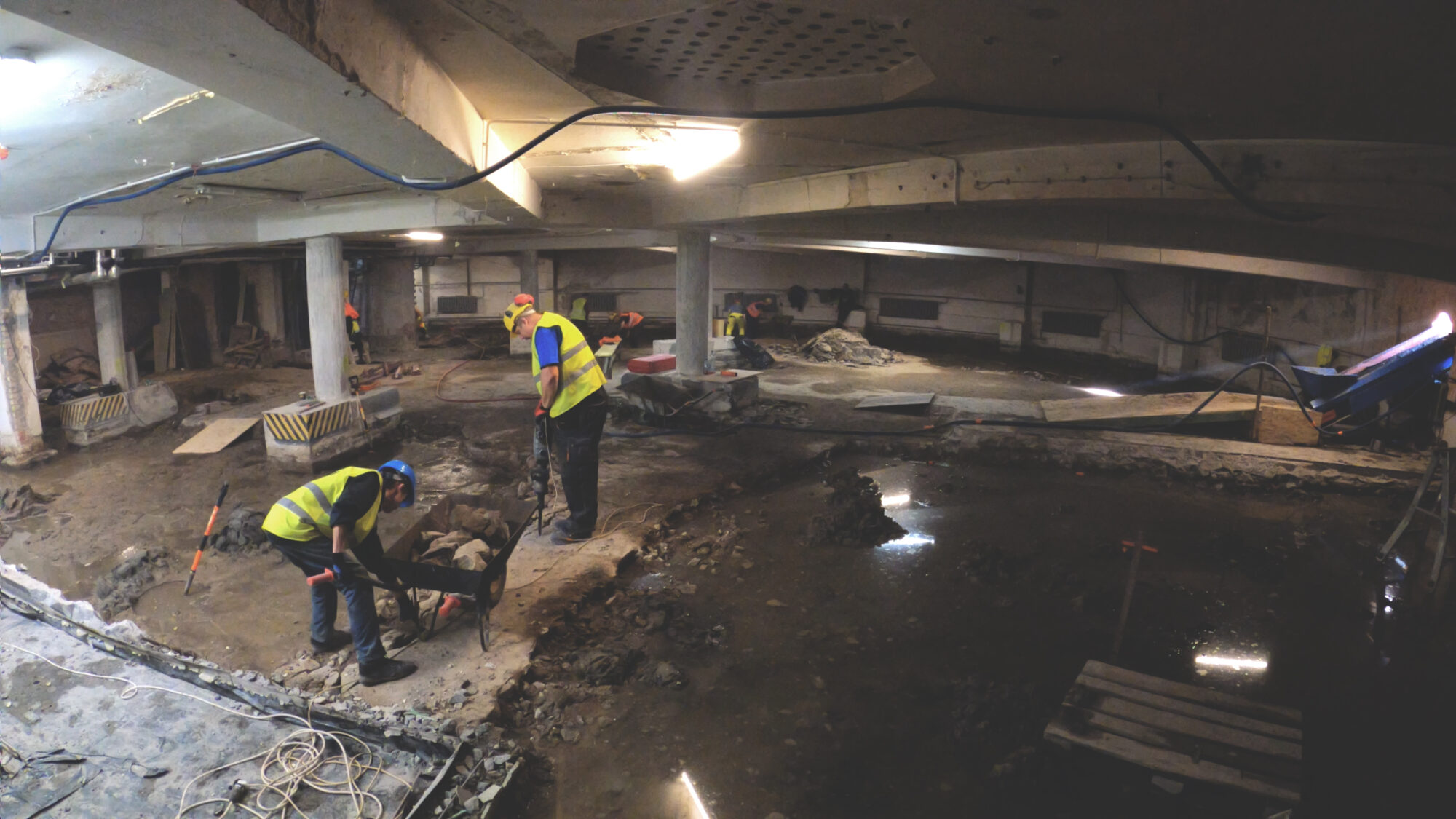
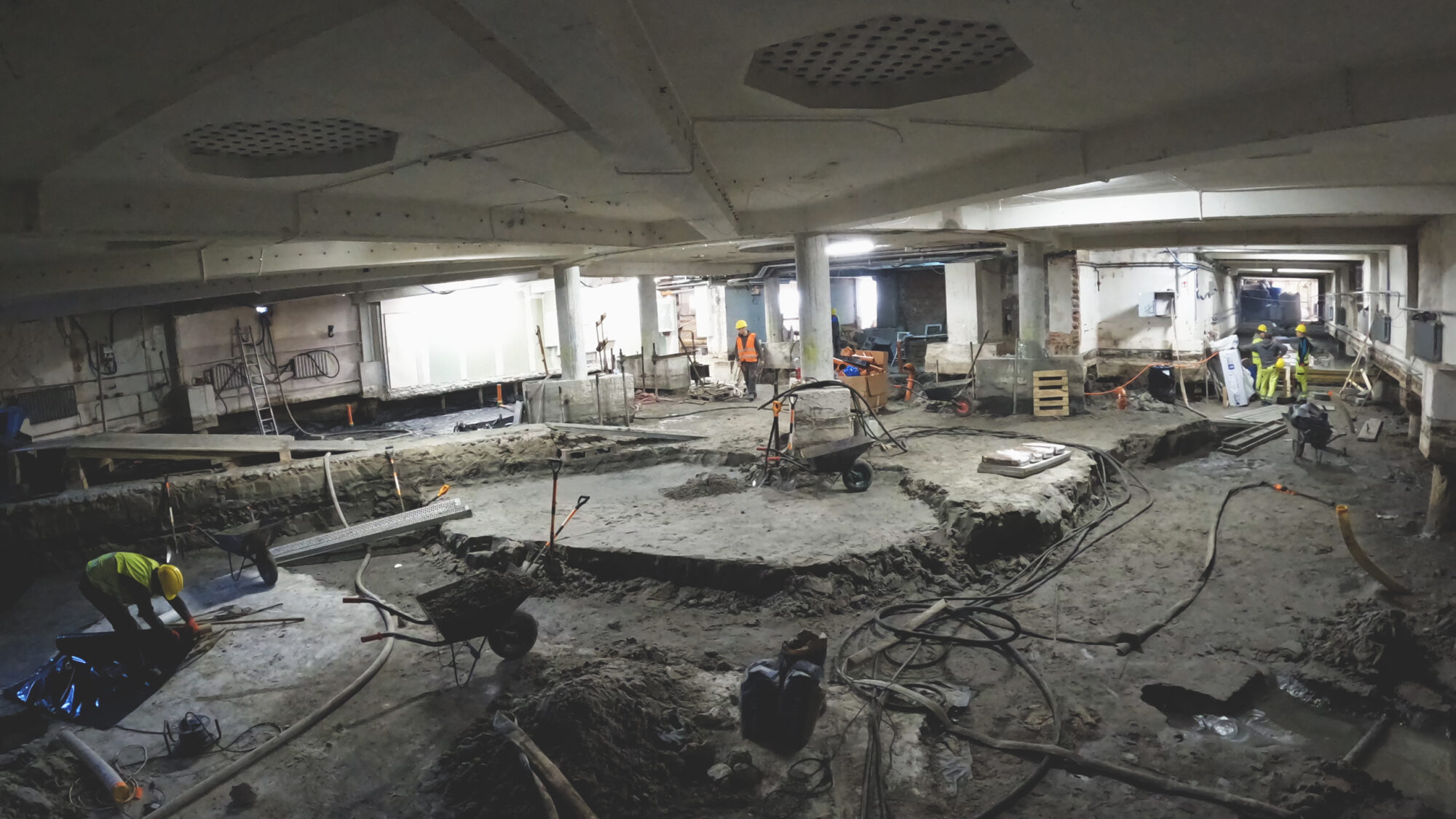
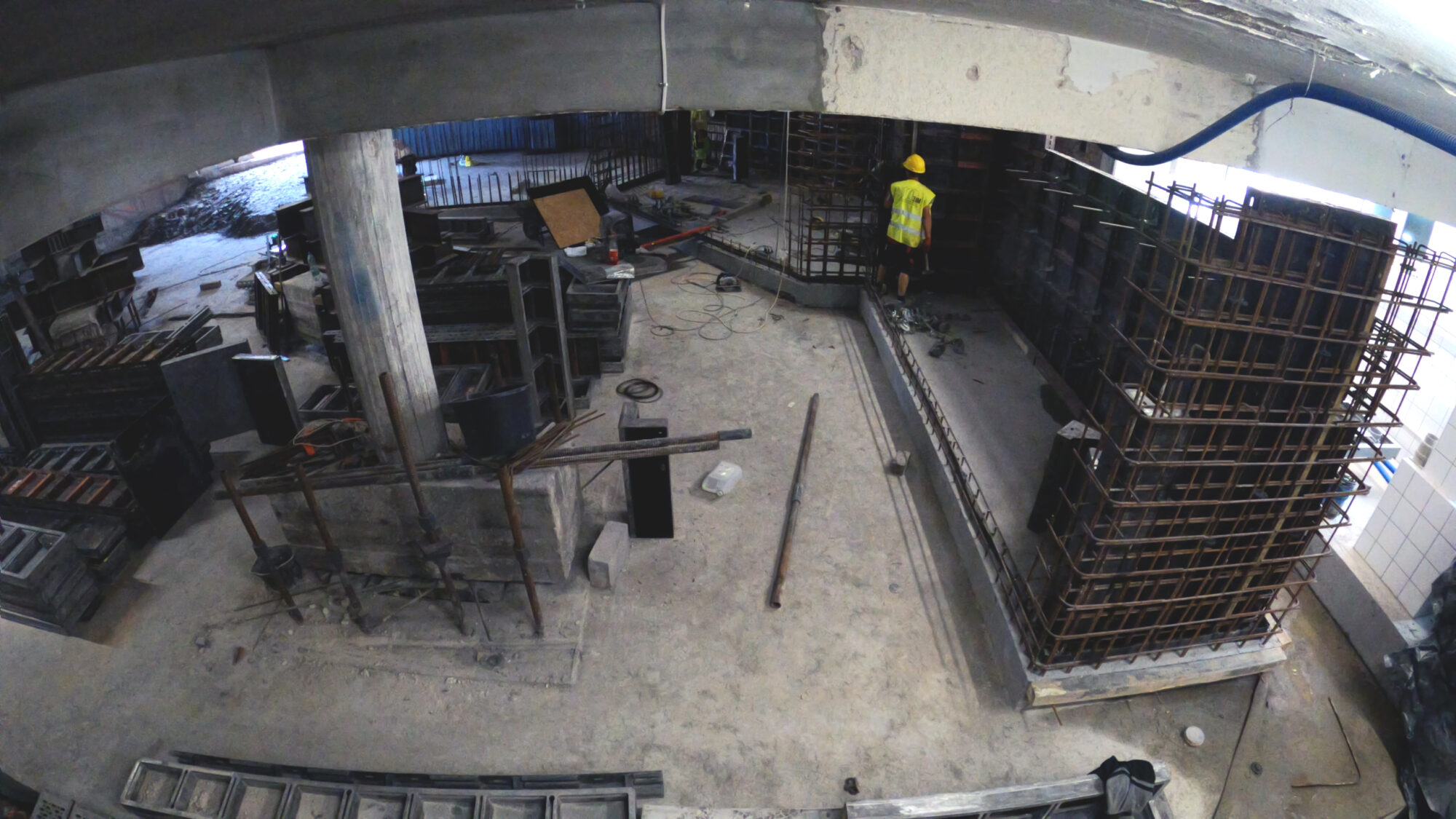
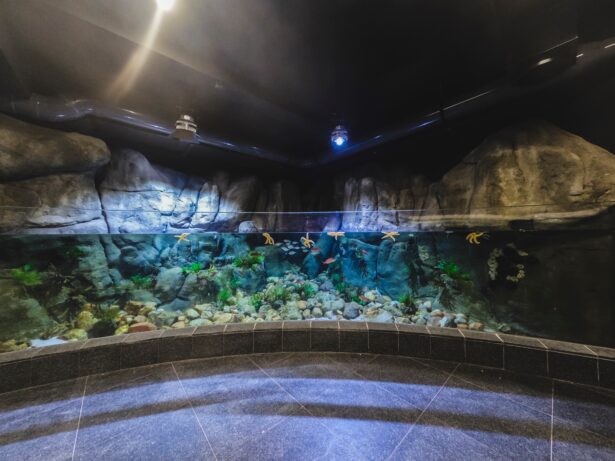
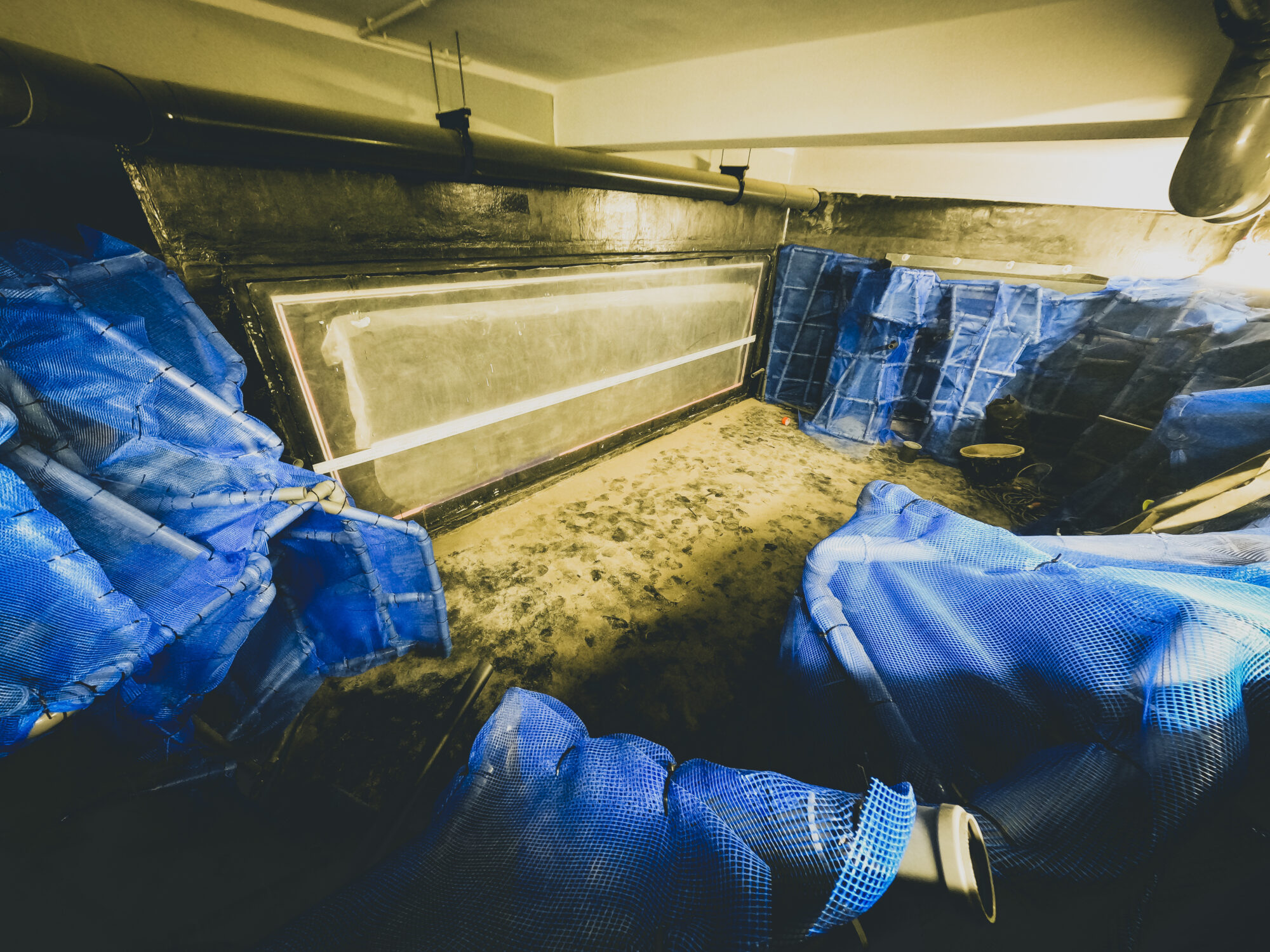
    The expansion of the educational path for the new exhibition at the Gdynia Aquarium was a challenge from the very first day of construction work. The biggest challenge was the transformation of the existing basement into usable space. This required lowering the foundations and the basement floor, as well as building new column foundations that support the weight of the rotunda structure. Due to the creation of new space below sea level, the contractor had to build a structure resembling a bathtub around the new floor, aimed at protecting the building from water ingress into its interior. Thus, when visiting the “Cold Seas” exhibition, we literally move underwater!

    450,000 liters more water!

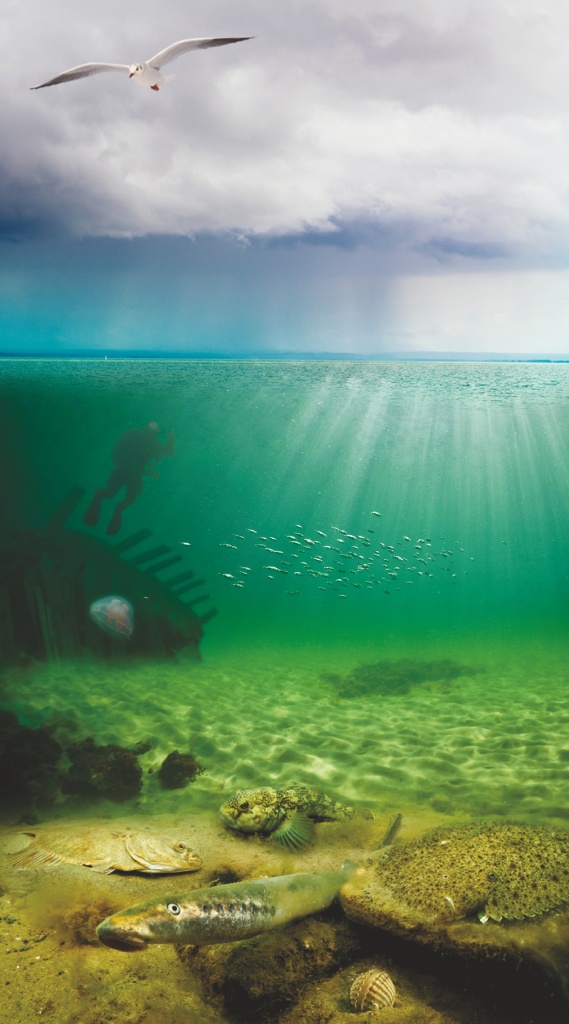
    The new exhibition consists of 12 tanks with a total volume of 450,000 liters! They are inhabited mainly by bony and cartilaginous fish, as well as crustaceans and a species of jellyfish unique to us, Chrysaora quinquecirrha, bred by our aquarists. Visitors will be able to admire the behavior of schooling fish, those that thrive in surf zone conditions, and those that hide in the sand. The entire exhibition presents the fauna of the cold part of the Atlantic Ocean, including the North Sea, the Danish Straits, and the Baltic Sea. Ultimately, up to 1300 new organisms will inhabit the new space.

    Cold Seas – from the Atlantic to the Baltic

    The new exhibition is designed to showcase the diversity of an environment that is not commonly considered as such. The dynamic, well-oxygenated, and fully salted waters of the northern Atlantic provide excellent conditions for the life of many species of animals and plants. This exhibition is an invitation to embark on a journey that leads from the open waters of the Atlantic Ocean to the nearly enclosed, least saline sea in the world – the Baltic Sea.

    Each tank located along the tour route brings visitors closer to discovering a slice of the unique richness of the cold European seas.

    The ocean and humanity are inseparably linked

    The new exhibition is not only a place where the Atlantic meets the Baltic. It is also a space where guests of the Gdynia Aquarium will be able to learn about the relationships that connect the marine world with the world of humans. The global ocean provides about 50% of the oxygen we breathe, shapes the climate, influences the weather, and is a source of resources that help people live healthily.

    The implementation of the project is possible thanks to the support of the Marshal’s Office of the Pomeranian Voivodeship within the framework of action 11.4 of the ROP Pomerania 2014-2020.

    The project in numbers:

    Total Value: 19,365,271.32 PLN
    Eligible Expenditures: 15,424,777.46 PLN
    Requested EU Funding: 11,035,612.10 PLN
    EU Co-Financing Level [%]: 71.54%
    Number of tanks – 12
    Amount of water – 450 000 liters
    The largest tank – 126 700 liters
    The smallest tank– 2 300 liters
    Completion date – 31.12.2023 r.
    Exhibition opening date – 20.04.2024 r.

    The project contractor was selected through the second tender procedure. The company 3JM Michał Bryłka won the tender.

    What did the investment look like?

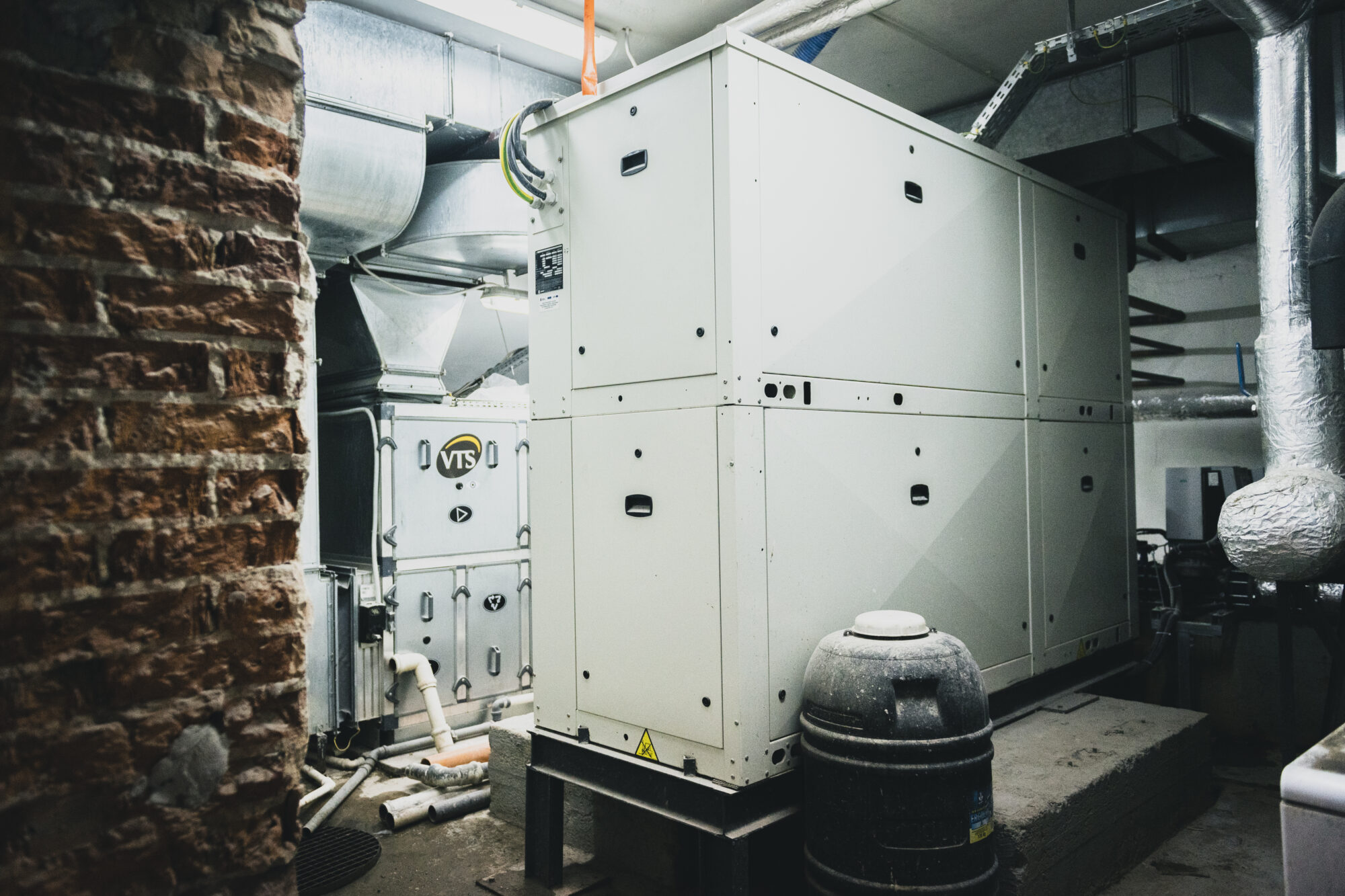
    This is how our basement looked at the beginning of the investment works.
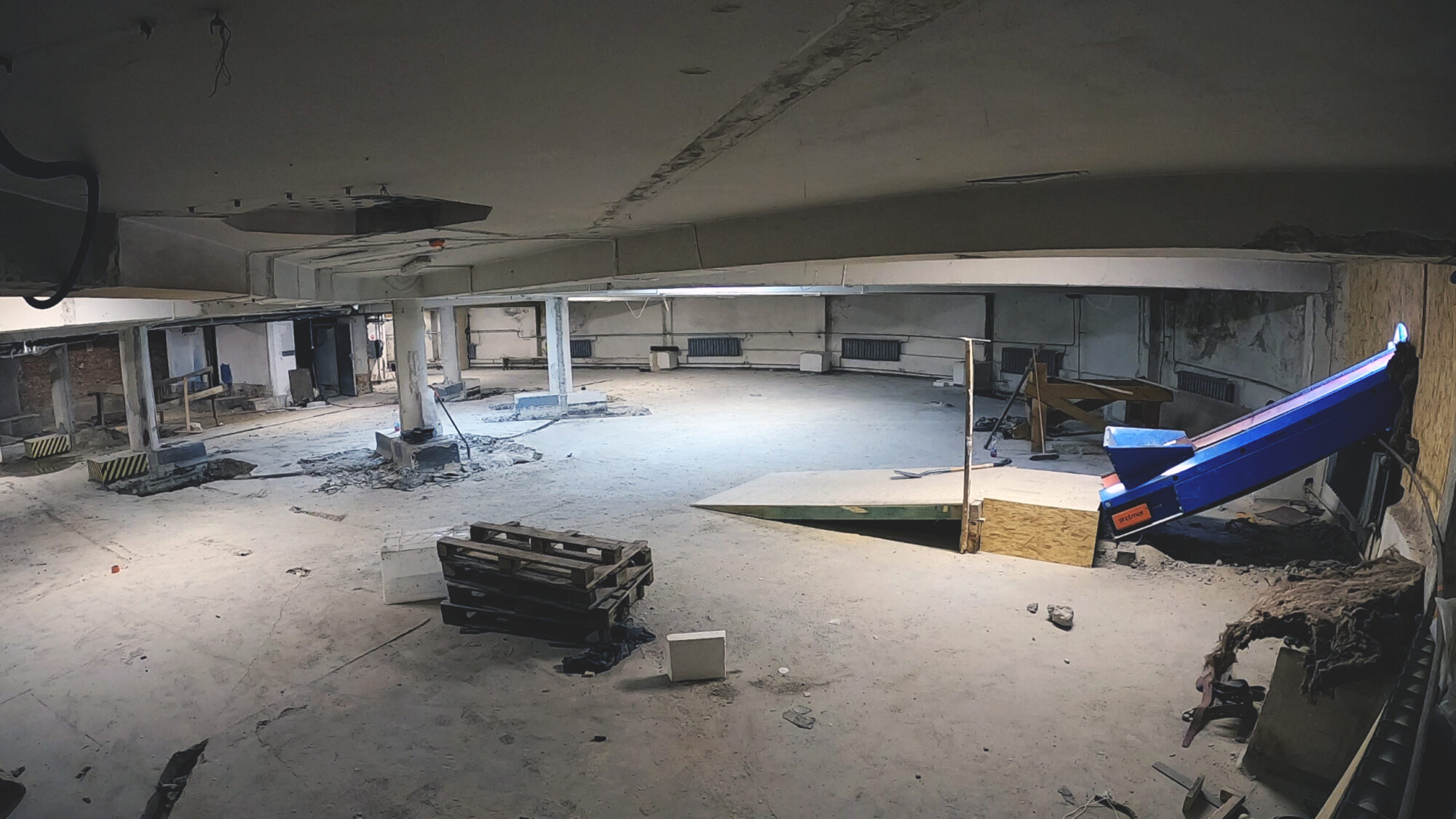
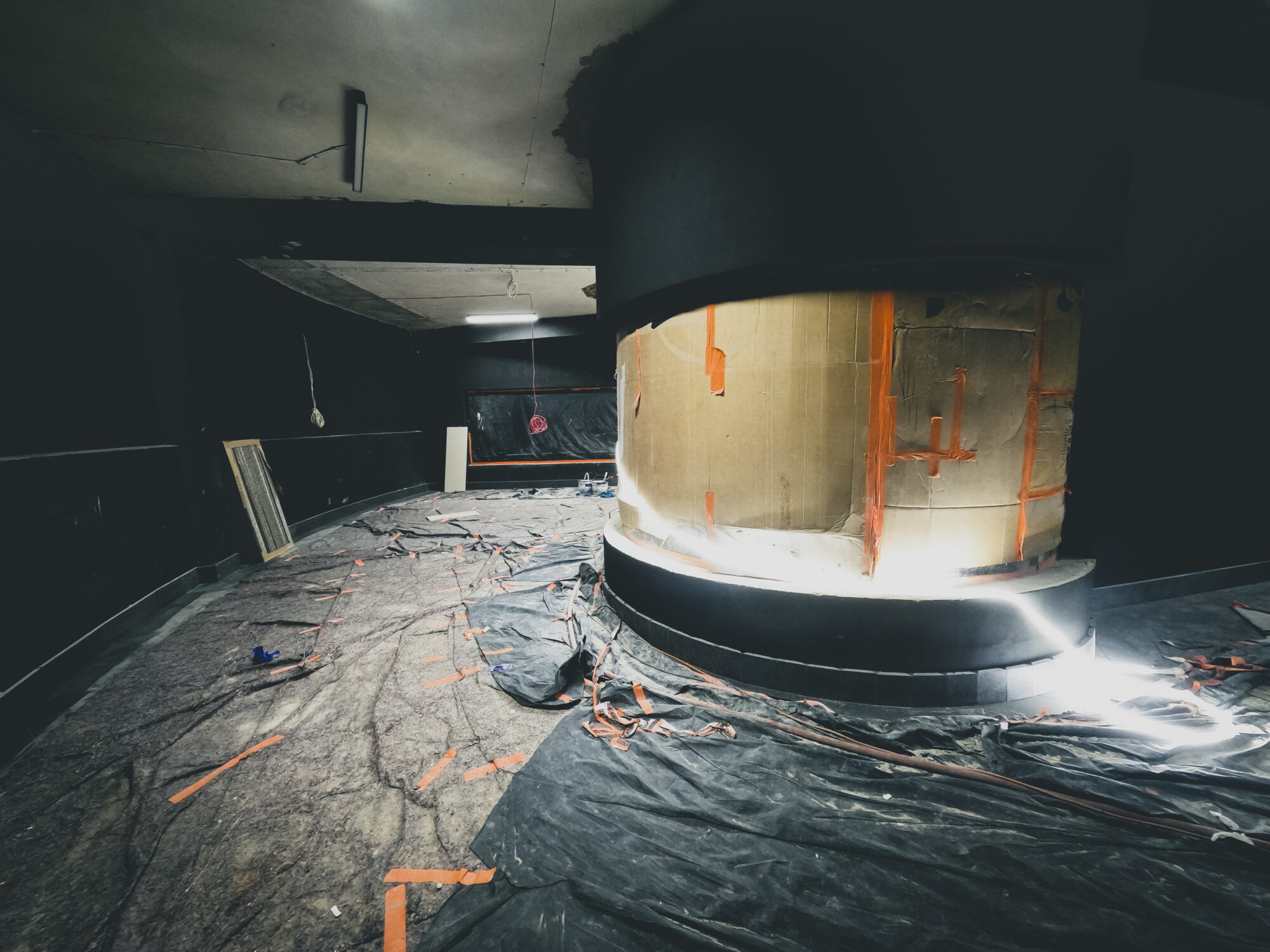
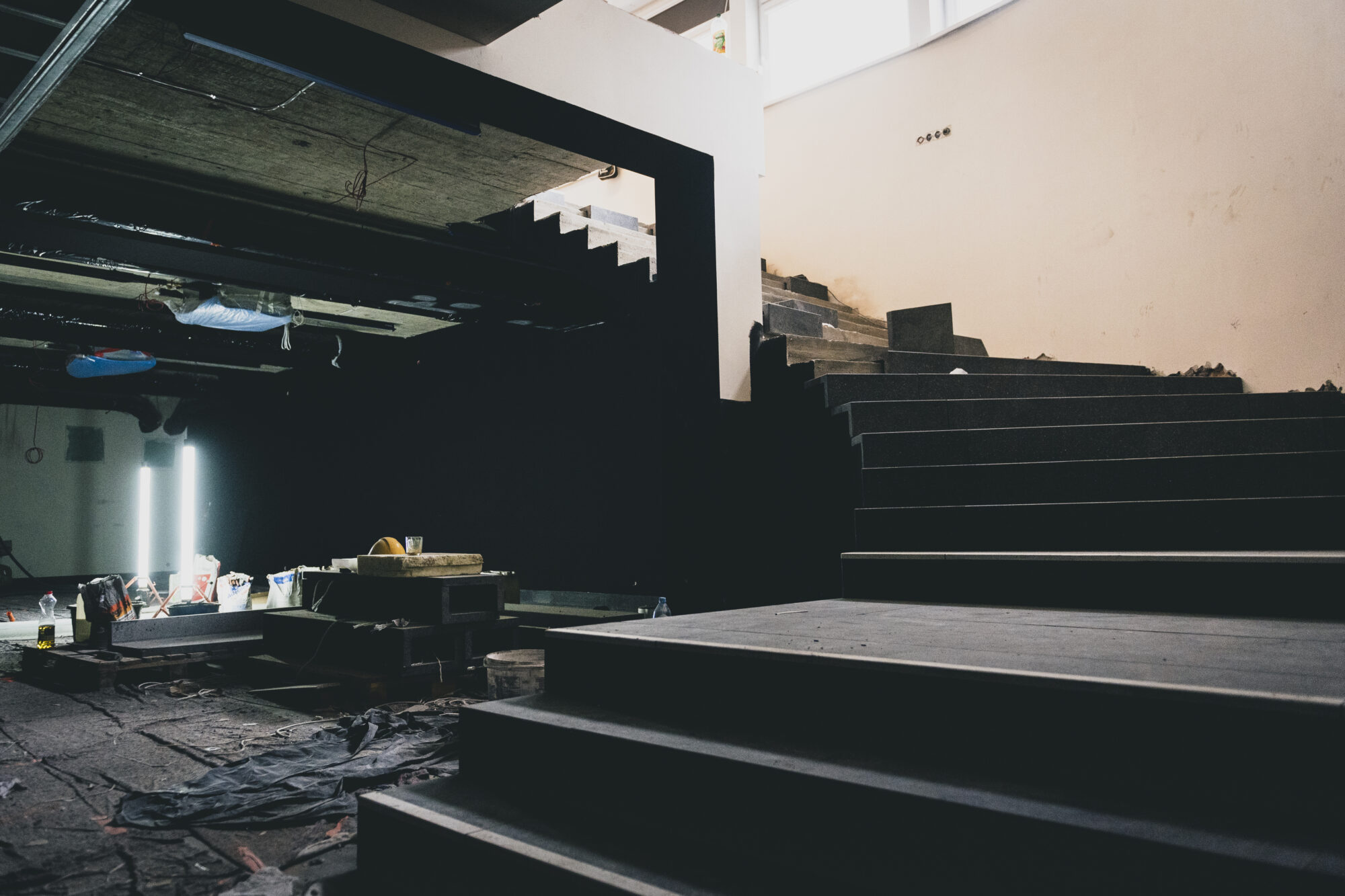
    The arrangement of the exhibition space, in a place previously unprepared for tourists, required a series of construction works. These included:

    • reinforcement of the existing building structure,
    • lowering of the foundations and basement floor,
    • construction of a staircase,
    • installation of a new elevator and all necessary utilities.
  • Baltic Scientist

    Baltic Scientist

    The Ministry of Education and Science, as part of the “Social Responsibility of Science” program, granted the Sea Fisheries Institute – National Research Institute a grant for the implementation of the project entitled “Baltic Scientist – series of films popularizing science about the Baltic Sea for school children”. The task is coordinated by the NMFRI Gdynia Aquarium.

    Ministerstwo Edukacji i Nauki


    What will be created as part of the project?

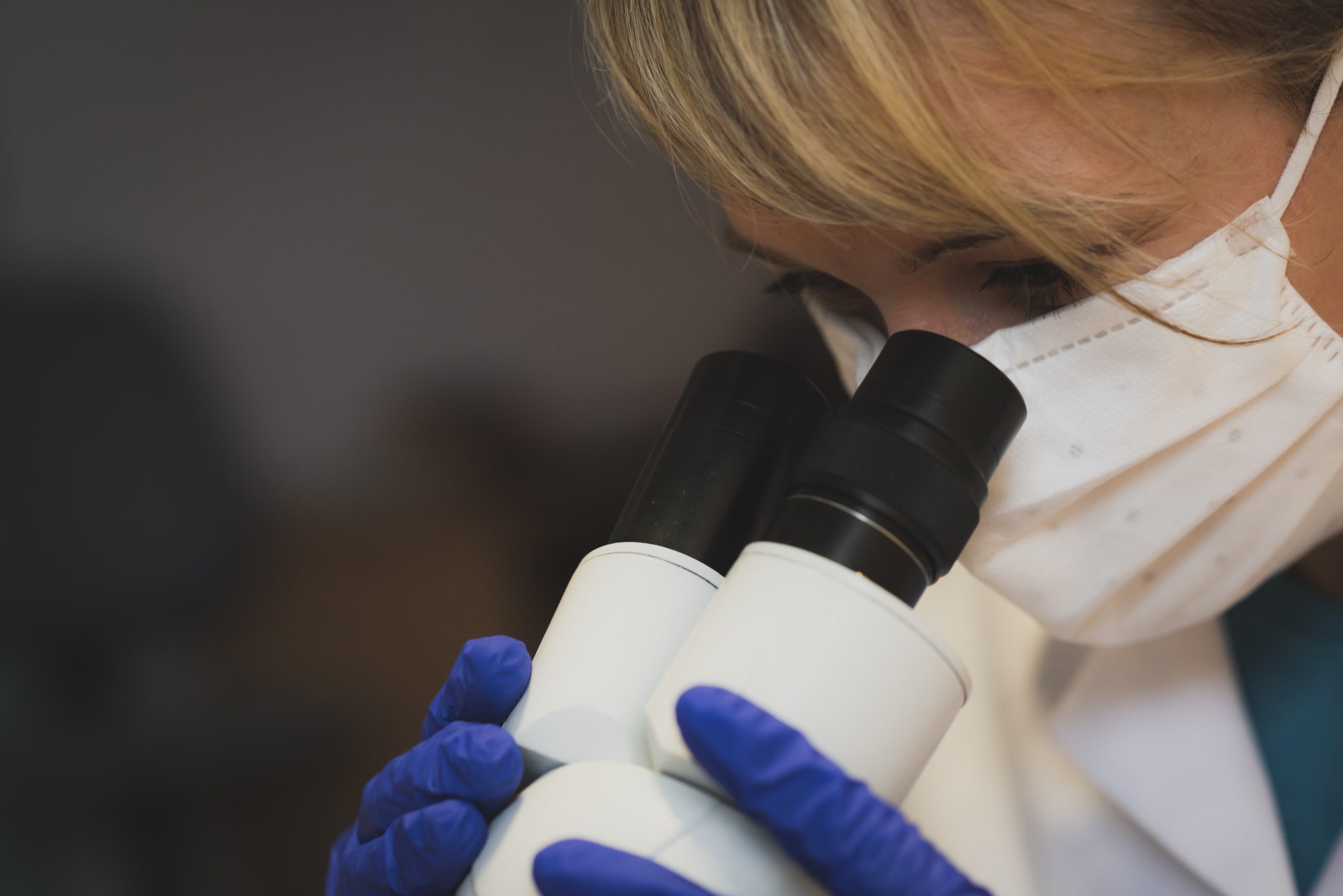
    The project will include the production of a series of 12 films, i.e. popular science video reportages for school children. The films will take the form of “meetings with scientists”. The next episodes of the Baltic Scientist will be a modern way for oceanographers to reach young recipients with knowledge in the field of “science“.

    Who will appear in the movies and what will it be about?

    Scientists and people related to oceanography will talk about the issues related to the Baltic Sea, their work, research and the devices to carry it out. The camera will also visit a research vessel sailing on the waters of the Baltic Sea.

    Who will the films for?

    The films will be recorded for children aged 8-12. Each film will last 3-5 minutes, which gives a total of nearly 60 minutes of film material! Each of the films will be enriched with subtitles in Polish and a Polish sign language interpreter PJM. There will also be versions with subtitles in English.

    From when will you be able to watch movies?

    The films will air with a frequency of 1 episode every month, starting in April 2022 and ending in March 2023.

    Where will the films be seen?

    The films will be published in free online access on YouTube and Facebook channels, as well as on the Gdynia Aquarium website. Follow our social media !!

    What are the titles of the individual films?

    “Fish of the Baltic Sea”, “Sustainable fisheries”, “Baltic seaweed”, “Baltic coast and climate change”, “Microplastic”, “Plankton – drugs from the blue pharmacy”, “Sea in Polish culture – a walk in search of the sea on land “,” The role of Baltic invertebrates “,” Research vessels-floating laboratories “,” Biofuels “,” Chemical weapons in the Baltic Sea “,” Sea-based food safety “.

    Project partners:

    Instytut Oceanologii PAN

    Uniwersytet Gdański, Wydział Oceanografii i Geografii

    Instytut Meteorologii i Gospodarki Wodnej, Oddział Morski w Gdyni

    Instytut Kultury Miejskiej

    Hevelianum

    MSC

    Project patrons:

    European Marine Science Educators Association EMSEA

    Fundacji Rozwoju Akwarium Gdyńskiego FRAG

  • Baltic DigiTour

    Baltic DigiTour

    Seed Money Project: Baltic DigiTour

     Imagine being part of a dynamic online group of like-minded practitioners to mutually support each other keeping pace with ever new digital challenges and opportunities! How to set up and maintain such group for tourism attractions is what the project “Connectivist Massive Open Online Courses for Digitalization in Baltic Tourism Attractions” – or in short “Baltic DigiTour“ – is about to investigate.

    “Baltic DigiTour“ is a seed money project, co-financed by Interreg Baltic Sea Region within the European Regional Development Fund. Seed-money shall support the consortium of this one-year-project to conduct background investigations and thereby prepare for developing a fully-fledged main project.

    Implementation period

    01.10.2020 -30.09.2021

    Partners

    Knowledge on digitalization is constantly evolving, vastly spread across organizations and countries, and thus very complex to pool under one organizational entity’s governance. An online community approach to distributed knowledge agglomerating in a virtual space could provide an alternative to deal with this complexity. Building an online knowledge community is embraced by the concept of cMOOCs: connectivist Massive Open Online Courses. While MOOCs (Massive Open Online Courses) provide teacher-based knowledge publicly online and therefore scaling the outreach of teacher knowledge, cMOOCs emphasize the collaboration of learners and other knowledge sources. The connectivist approach sees all participants as both learners and teachers, with the mutual exchange building the dynamic content and value of learning.

    In the current seed money project “Baltic DigiTour“, four different analysis will help to further detail the requirements and opportunities for a future main project:

    • Investigation of existing cMOOC models and success criteria (cMOOC analysis).
    • Initial research on content experts e.g. in universities, bloggers, online groups, projects on digitalization in tourism (Content matter experts’ analysis)
    • Analysis of needs and requirements of potential participants of the knowledge community and those who can make use of the developed underlying cMOOC concept and transfer it to other areas both within tourism and beyond (Stakeholder analysis)
    • Investigation of suitable cMOOC IT platforms along with an evaluation of resources, limitations, functionalities (IT platform analysis)

    Based on the findings, gaps will be identified and how an international project could help fill these. A full project plan will be developed from that, including the set-up of a suitable consortium. In addition, funding programs will be analyzed for suitability for the potential main project.

    The project supports the EU Strategy for the Baltic Sea Region (EUSBSR) in the Policy Area of ‘Tourism’.

  • Baltic Museums

    Baltic Museums

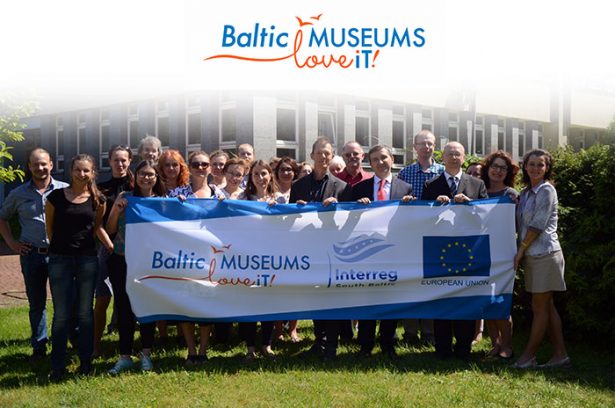
    Baltic Museums: Love IT! (2017-2020)

    The main objective of the project was to develop new IT-enabled tourism products for natural and cultural heritage tourist destinations in the SBR in the form of multilingual BYOD-guided tours, providing an enhanced visitor experience during and after the visit thanks to gamification, multimedia content, and augmented reality techniques.

    The guides provided informational and educational content to visitors lacking access to other types of guides due to high-season crowds or insufficient language skills. They were especially suitable for lone and cross-border travelers.

    The common gamification service made the visitors’ experience more engaging and extended it beyond a single visit, fostering long-term relationships. A new region-wide brand (working name: South Baltic Spotter) was introduced to make the new gamified products more recognizable and marketable. This not only made the tourist offer of the SBR more visible and coherent to visitors but also formed a sustainable cross-border network of tourist destinations using the brand, open and prepared for new members to join.

    The user-centric design process of the new products involved the organization of special events during the off-season, which additionally served promotional purposes and attracted a new kind of visitors (IT fans) to the destinations. Both the gamified tourism products offered under a region-wide brand and the way end-users were involved in the design of tourism products were novel in the SBR.

    The project outputs directly benefited visitors to natural and cultural heritage sites in the SBR by enhancing the tourism supply, as well as managers of these sites by providing ready-to-implement solutions and knowledge on how to use them. Indirectly, managers of tourist agencies also benefited from the new brand, which fostered greater interest among tourists.

    The project vastly contributed to increasing the popularity of natural and cultural heritage sites of the SBR as tourism destinations.

    Our goals

    The natural and cultural heritage assets of the SBR served as a base for significant tourism services, which were also available in the low season and in bad weather and played a considerable educational role. There was still a large potential for improving their use.

    The three main challenges were: improving the quality of the visitor experience, especially during the high season when sites were overcrowded and for those facing language barriers; attracting new visitor target groups, particularly in the low season; and making the tourism offer of the SBR destinations more coherent and recognizable.

    Opportunities were identified based on the worldwide opinion-leading NMC Horizon Report: 2015 Museum Edition. Three of these, which had not yet been adequately exploited in the SBR, were selected: Bring Your Own Device (BYOD), allowing visitors to use their own smartphones for guided tours; Gamification, defined as “the use of game design and game psychology in non-game settings to engage the target audience and motivate specific behaviors”; and (Visitor) Data Analytics, which provided new information for management.

    There was a synergy in the simultaneous implementation of these approaches, as BYOD allowed gamification to extend beyond specific locations and countries, while also providing crucial context for data analysis—such as identifying the same visitor in various locations.

    Another challenge was preparing the personnel of hosting institutions—both mentally and in terms of technical knowledge and skills (also mentioned in the Horizon Report)—as well as the technical environment necessary for these innovations to succeed. However, this also created an additional opportunity: allowing relevant products to be co-developed by users themselves during hackathon events, which could help attract a new type of visitor (IT enthusiasts) during the off-season.

    Introducing the new products under a common regional brand created an opportunity to increase visitor awareness and build long-term relationships.

    The chosen approach ensured high user-perceived quality of the products (thanks to end-user involvement at multiple stages of development), provided cost advantages (as outputs were used by multiple institutions), made efficient use of the project partners’ competencies (through knowledge sharing), and ensured the transferability of results to other destinations (by sharing both know-how and solutions).

    BalticMuseums 2.0 Plus (2010 – 2015)

    Wishing to ensure a high level of comfort for both adults and children in our exhibition, the Gdynia Aquarium has been carrying out BalticMuseums 2.0 Plus project since 2010. In collaboration with South Baltic’s scientific and oceanographic museums, we have created an electronic guidance system (eGuide).

    We give you a unique opportunity to get to know our animals, along with a modern eGuide. Adults will be introduced to the underwater world by Krystyna Czubówna, a popular polish lector known from movies about nature, while children are offered to get to know animals through series of stories.

    The tours are available in English and German.

    The BalticMuseums 2.0 Plus project is a continuation of the BalticMuseums 2.0 project, where partners have developed a common oceanographic information platform, virtual tours and other interesting products for visitors to the South Baltic.

    Project partners:

    University of Stralsund, Stralsund, Germany
    University of Szczecin, Szczecin, Poland
    German Oceanographic Museum, Stralsund, Germany
    NMFRI Gdynia Aquarium, Gdynia, Poland
    Lithuanian Maritime Museum, Klaipeda, Lithuania
    Museum of the World Ocean, Kaliningrad, Russia.

    More about the project at: www.balticmuseums.org.

    BalticMuseums 2.0 (2009 – 2012)

    BalticMuseums 2.0 project is a project completed in 2012. One of the most important results of the project is the online information platform of Baltic oceanographic museums developed in co-operation with 6 scientific and educational centers from the South Baltic countries. The content has been translated into 6 languages in order to reach as many foreign audiences as possible.

    Partners have been working on joint promotion and online ticketing. Additional virtual tours include the Gdynia Aquarium, the Lithuanian Maritime Museum in Klaipeda, the German Maritime Museum in Stralsund and the Kaliningrad Museum. As part of the museum project, they have prepared prototype eGuide devices – electronic guides for exhibition tours. The electronic guidance system was developed in the continuation of the project – BalticMuseums 2.0 Plus.

    Within the framework of the cooperation the partners have also prepared a special website devoted to children interested in the sea life, so called “Kid’s Zone“.

    Cooperation was supposed to increase the attractiveness of partner museums abroad, thus helping to promote local tourism.

    Project Partners:

    University of Stralsund, Stralsund, Germany
    University of Szczecin, Szczecin, Poland
    German Oceanographic Museum, Stralsund, Germany
    NMFRI Gdynia Aquarium, Gdynia, Poland
    Lithuanian Maritime Museum, Klaipeda, Lithuania
    Museum of the World Ocean, Kaliningrad, Russia.

  • Save the Sea Project

    Save the Sea Project

    In July 2019 the Gdynia Aquarium MIR-PIB and the Foundation for the Development of the Gdynia Aquarium began cooperation with Amber Girl as part of the Save the Sea project. The goal of our cooperation is to raise funds for the purchase of the Seabin device for cleaning Marina Gdynia’s water from solid waste, mainly plastic, and surface pollution. After purchasing and installing the device, the Gdynia Aquarium Education Center will introduce practical educational classes on plastic pollution of the ocean. One of the elements of the classes will be to go outside to empty the Seabin device and to examine what garbage and in what quantity was collected by the device. In addition, garbage removed from Marina Gdynia will be weighted on an ongoing basis, and information on how many kilograms of garbage has been extracted thanks to this project will be available on the website of the Gdynia Aquarium MIR-PIB and in posts published on social media.
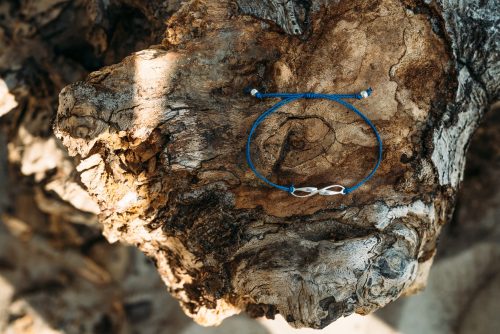
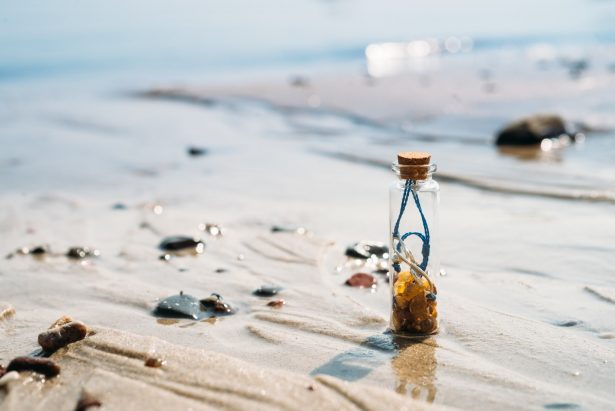
    Fundraising for our project is done by selling a silver bracelet Save the Sea designed and sold by Amber Girl. The bracelet is made of high quality 925 silver and a rPET string produced from recycled plastic bottles and other consumer post and industrial PET waste. The main silver element of the bracelet refers to the coat of arms of Gdynia and is designed to unite everyone interested in the fate of the Baltic Sea. In addition to financial support for the purchase of a Seabin device, the bracelet is also educational. By creating a recognizable symbol of social responsibility, we can contribute to the development of ecological awareness not only in the target group, but also outside of it. The bracelet itself and the packaging (glass bottle filled with amber, wooden chips, cardboard box and ecological protective envelopes) are consistent with the idea of ​​the design. The bracelet will be sold via the Amber Girl website. All proceeds from the sale will be donated to the Gdynia Aquarium Development Foundation for the purchase of the Seabin device.
  • Ocean Literacy

    Ocean Literacy

    Ocean Literacy is an understanding of how the ocean affects us and how we influence it. The concept of Ocean Literacy was created as a result of the work of scientists, teachers and educators from the USA. In 2004, members of the NMEA (National Marine Educators Association) concerned about the marginalization of maritime education in schools began working on a national educational campaign. Shortly thereafter, the definition of “ocean literacy” was created, which can be translated as “understanding of the ocean”.

    Soon, the concept also reached Europe, where EMSEA (European Marine Educators Association), an association that promotes knowledge of the sea in Europe, was created. To implement the idea of ​​ocean literacy, international cooperation was established between scientists, teachers and educators. The Gdynia Aquarium is one of the organizations operating within EMSEA and responsible for propagating ideas in Poland.

    Ocean Literacy is based on 7 assumptions. The way they are formulated illustrates the interdisciplinary nature of marine knowledge. This content provides organization, compliance and consistency in the transfer of knowledge about the ocean.

    The ocean covers most of the planet’s surface, regulates weather and climate, provides most of the oxygen we breathe, and is a source of food. After decades of pollution, habitat degradation and unsustainable fisheries, and now also climate change and acidification of waters, ocean health is at great risk. The greater the public knowledge, the more willingly ocean health activities are supported. Maritime education of society is an important aspect of solving multidimensional and critical problems.

    To learn more about how we are developing work on this issue in Poland or to start cooperation with us, visit our Ocean Literacy page or see our Facebook page: European Marine Science Educators Association – Baltic Sea.

Skip to content