Skip to content

Themes

The Gdynia Aquarium is one of the largest facilities of this type in the country, having the longest traditions associated with the collection and display of aquatic fauna and flora. As it belongs to the structures of the National Marine Fisheries Research Institute, which is the oldest unit dealing with marine research in Poland, the Aquarium not only presents interesting specimens, but also provides scientific knowledge about water fauna.

At the Gdynia Aquarium, which has had the status of a zoo since 2005, four main biotopes occurring in the world are presented: coral reef, ocean depth, dense tropics of the Amazon and the Baltic Sea. Their inhabitants can be found over three floors of the building, located in 68 exhibition aquariums. The capacity of the tanks ranges from 200 to 10,000 liters, which contains more than 1,500 living organisms from about 250 species. Meet our residents!

  • New exhibition

    New exhibition

    Unusual species of jellyfish, unique crustaceans, and an exhibition built below sea level. We are opening the largest complex in Poland, presenting the environment of the seas of the cold northern hemisphere. Opening on April 20, 2024.

    The construction works for the implementation of the new investment in the Gdynia Aquarium started in 2021. From the very beginning, it has been an extraordinary challenge, the effects of which will soon be observable. Over the course of 4 years, an exhibition was created at the Gdynia Aquarium, showcasing the fauna and flora of cold seas. This includes over 30 species of animals, three times the volume of water compared to all of our previous tanks combined, and new experiences for visitors.

    Below the surface of the Baltic Sea

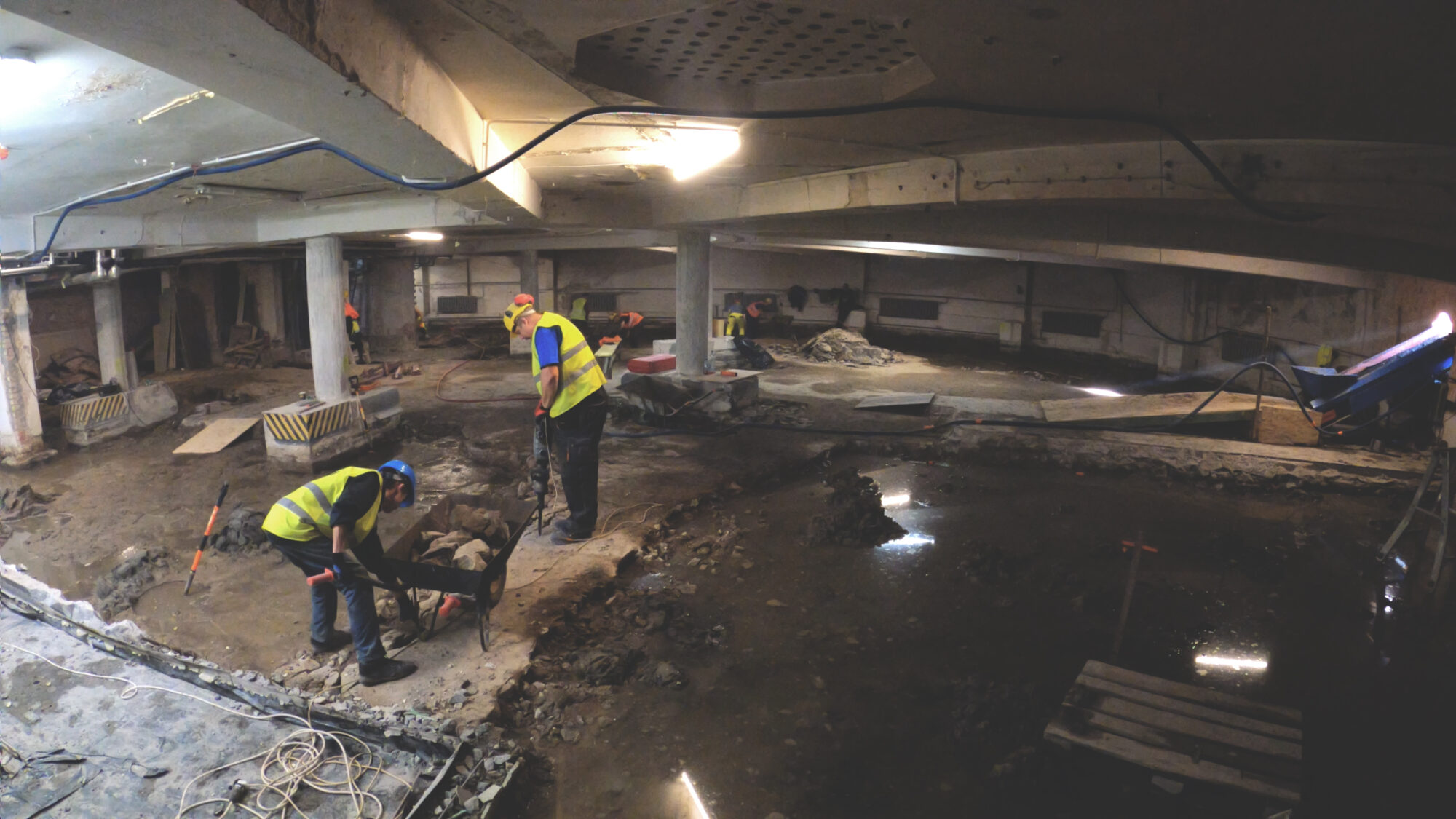
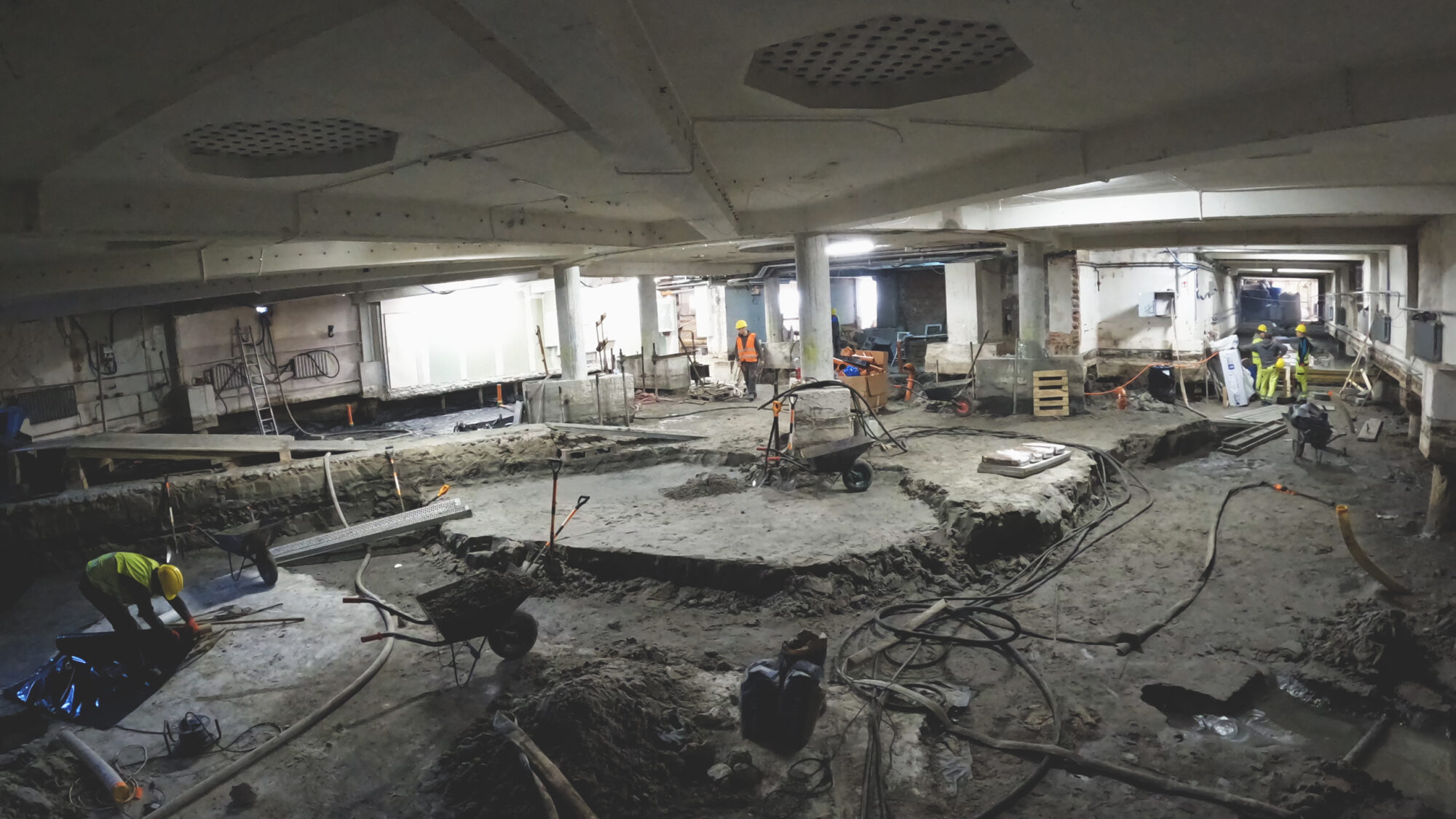
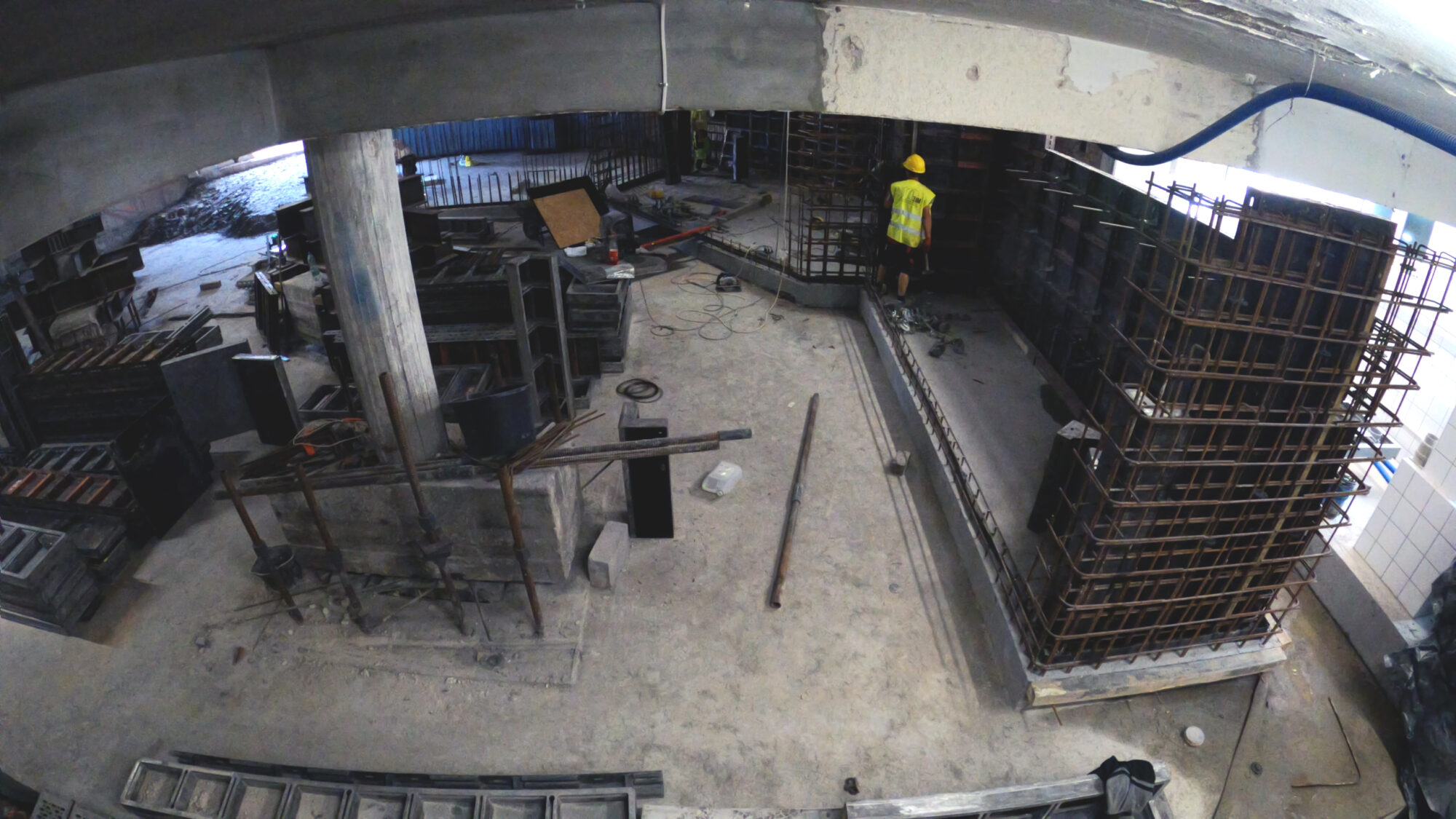
    The expansion of the educational path for the new exhibition at the Gdynia Aquarium was a challenge from the very first day of construction work. The biggest challenge was the transformation of the existing basement into usable space. This required lowering the foundations and the basement floor, as well as building new column foundations that support the weight of the rotunda structure. Due to the creation of new space below sea level, the contractor had to build a structure resembling a bathtub around the new floor, aimed at protecting the building from water ingress into its interior. Thus, when visiting the “Cold Seas” exhibition, we literally move underwater!

    450,000 liters more water!

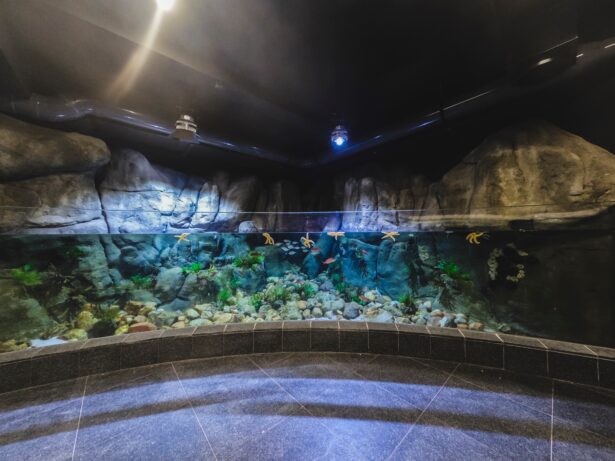
    The new exhibition consists of 12 tanks with a total volume of 450,000 liters! They are inhabited mainly by bony and cartilaginous fish, as well as crustaceans and a species of jellyfish unique to us, Chrysaora quinquecirrha, bred by our aquarists. Visitors will be able to admire the behavior of schooling fish, those that thrive in surf zone conditions, and those that hide in the sand. The entire exhibition presents the fauna of the cold part of the Atlantic Ocean, including the North Sea, the Danish Straits, and the Baltic Sea. Ultimately, up to 1300 new organisms will inhabit the new space.

    Cold Seas – from the Atlantic to the Baltic

    The new exhibition is designed to showcase the diversity of an environment that is not commonly considered as such. The dynamic, well-oxygenated, and fully salted waters of the northern Atlantic provide excellent conditions for the life of many species of animals and plants. This exhibition is an invitation to embark on a journey that leads from the open waters of the Atlantic Ocean to the nearly enclosed, least saline sea in the world – the Baltic Sea.

    Each tank located along the tour route brings visitors closer to discovering a slice of the unique richness of the cold European seas.

    The ocean and humanity are inseparably linked

    The new exhibition is not only a place where the Atlantic meets the Baltic. It is also a space where guests of the Gdynia Aquarium will be able to learn about the relationships that connect the marine world with the world of humans. The global ocean provides about 50% of the oxygen we breathe, shapes the climate, influences the weather, and is a source of resources that help people live healthily.

    The implementation of the project is possible thanks to the support of the Marshal’s Office of the Pomeranian Voivodeship within the framework of action 11.4 of the ROP Pomerania 2014-2020.

    The project in numbers:

    Total Value: 19,365,271.32 PLN
    Eligible Expenditures: 15,424,777.46 PLN
    Requested EU Funding: 11,035,612.10 PLN
    EU Co-Financing Level [%]: 71.54%
    Number of tanks – 12
    Amount of water – 450 000 liters
    The largest tank – 126 700 liters
    The smallest tank– 2 300 liters
    Completion date – 31.12.2023 r.
    Exhibition opening date – 20.04.2024 r.

    The project contractor was selected through the second tender procedure. The company 3JM Michał Bryłka won the tender.

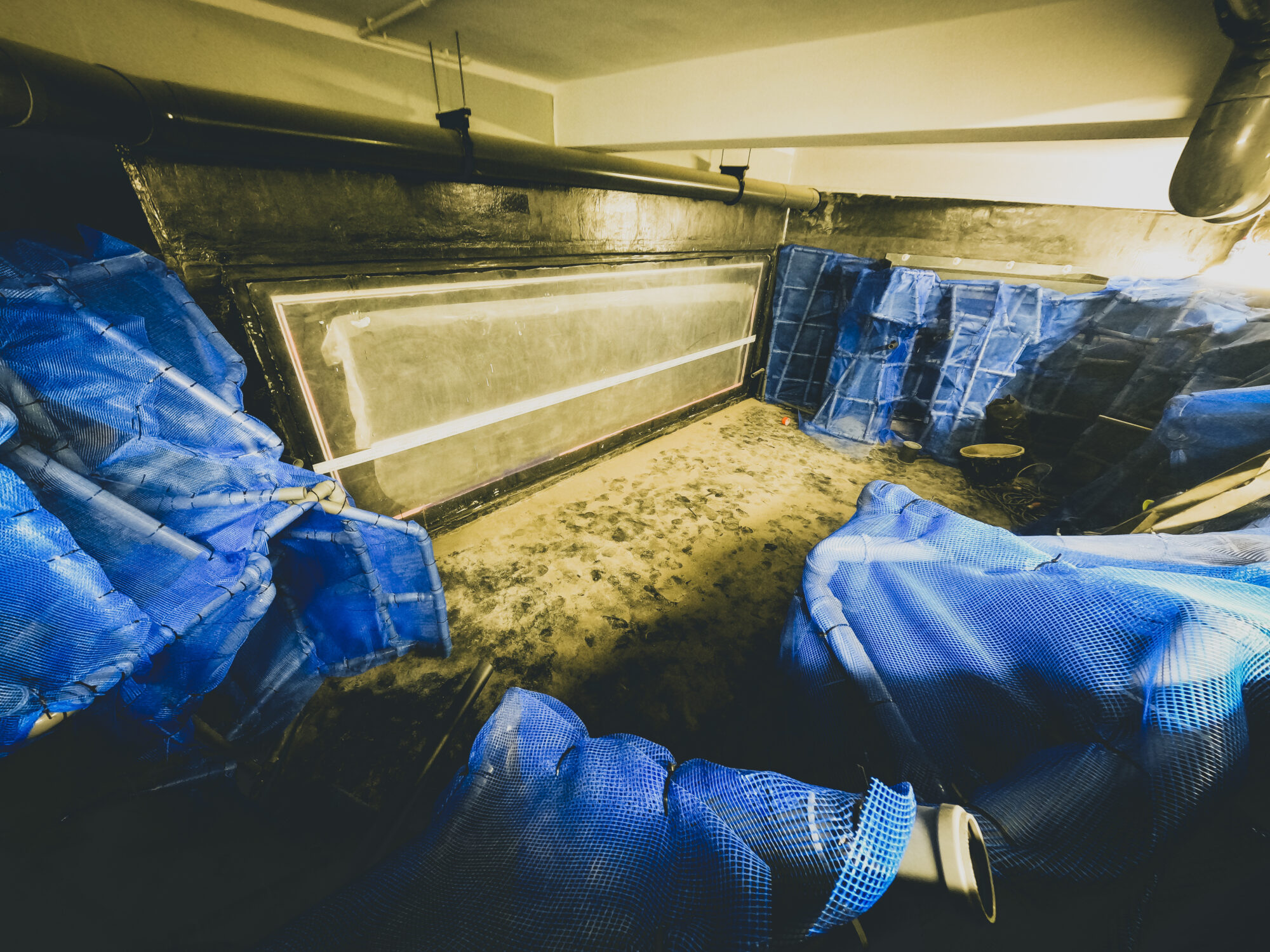
    What did the investment look like?

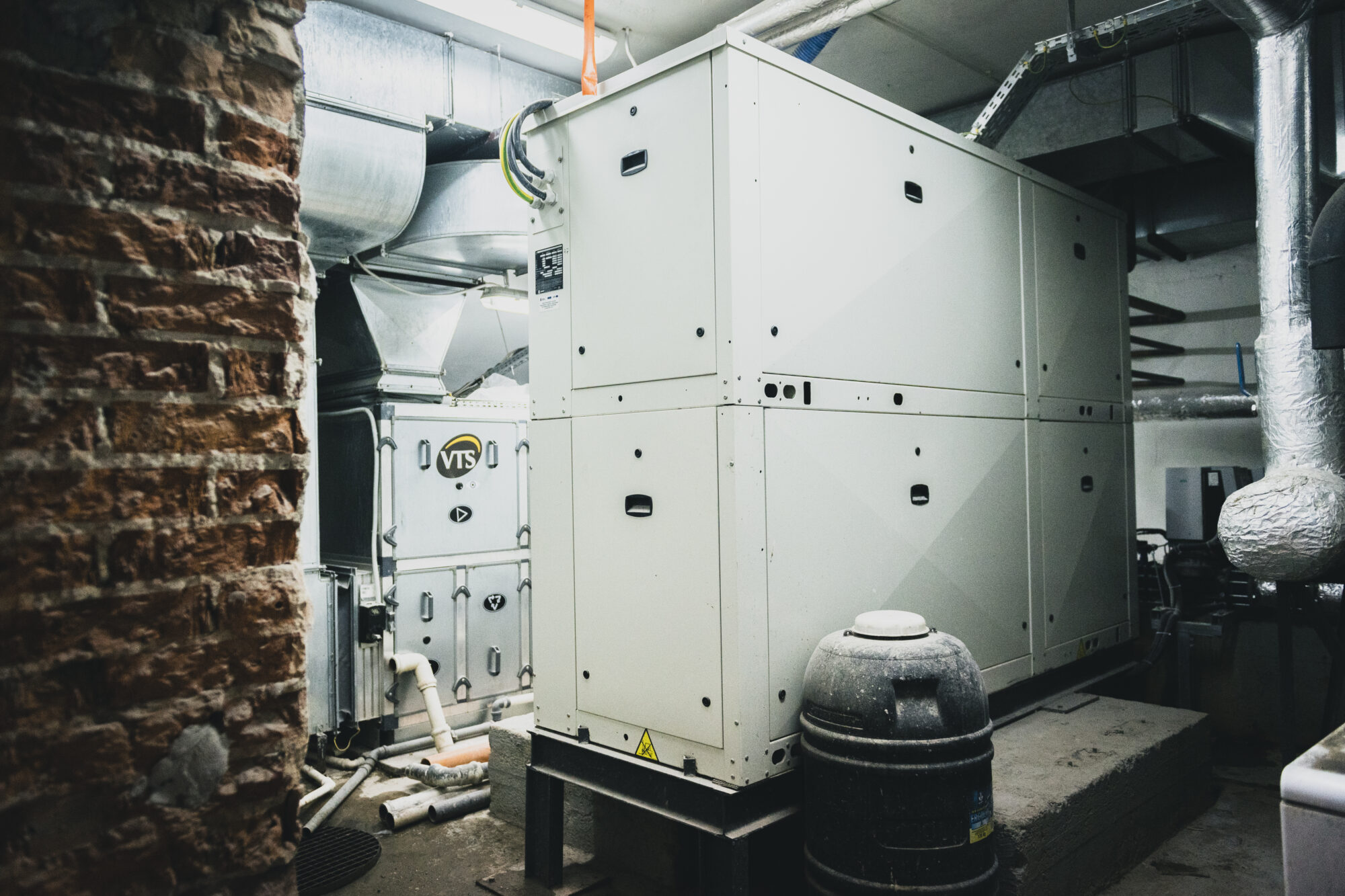
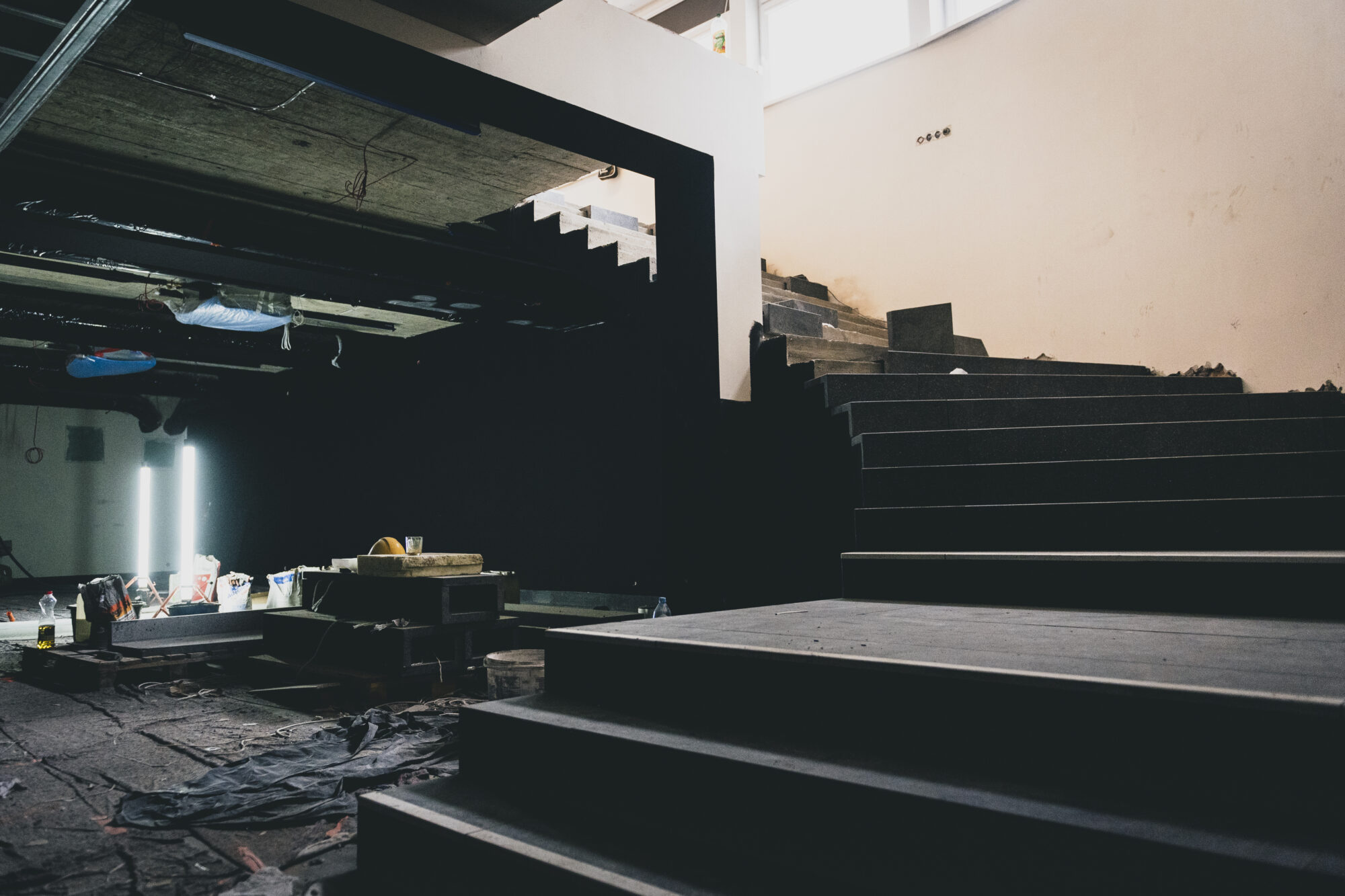
    This is how our basement looked at the beginning of the investment works.
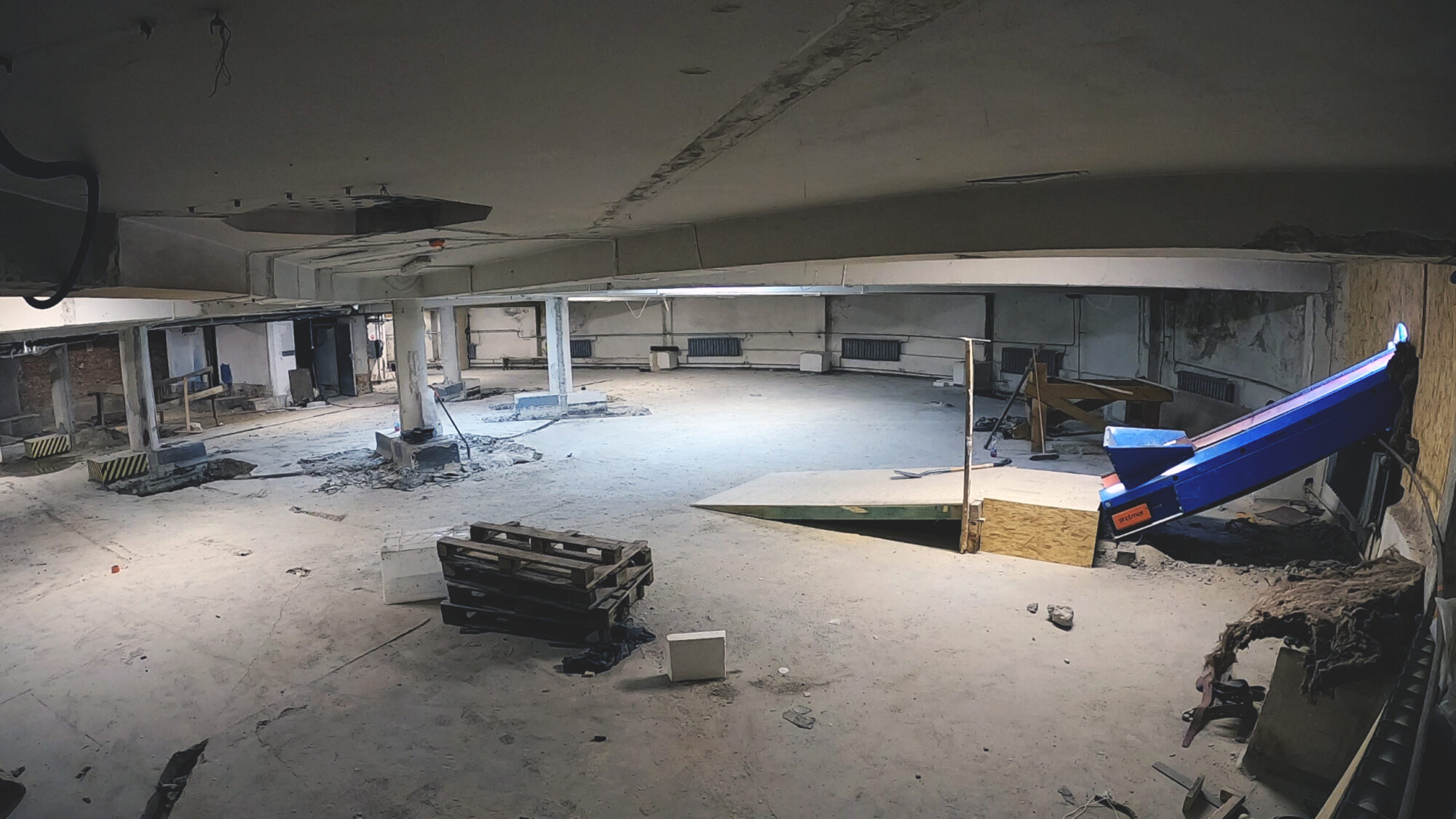
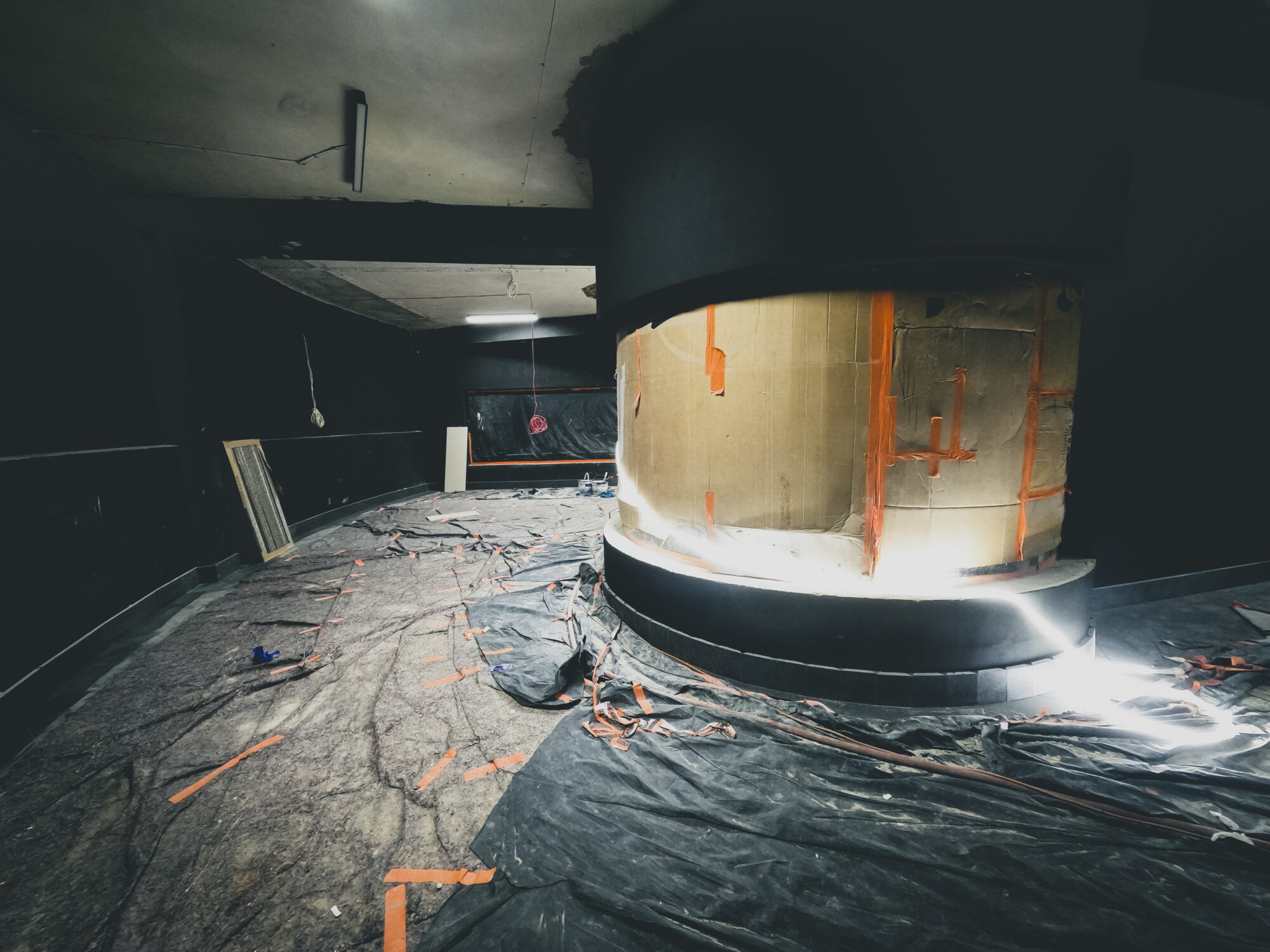
    The arrangement of the exhibition space, in a place previously unprepared for tourists, required a series of construction works. These included:

    • reinforcement of the existing building structure,
    • lowering of the foundations and basement floor,
    • construction of a staircase,
    • installation of a new elevator and all necessary utilities.
  • Zostera marina

    Zostera marina

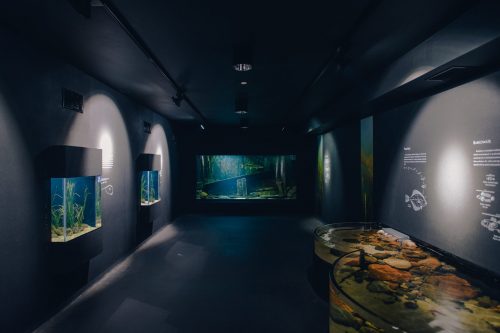
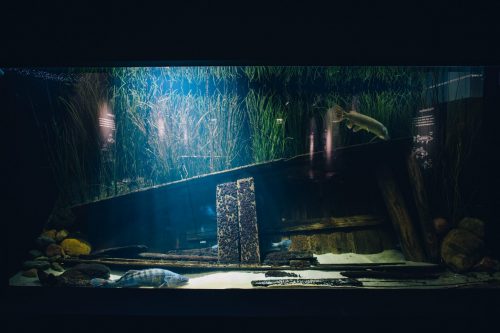
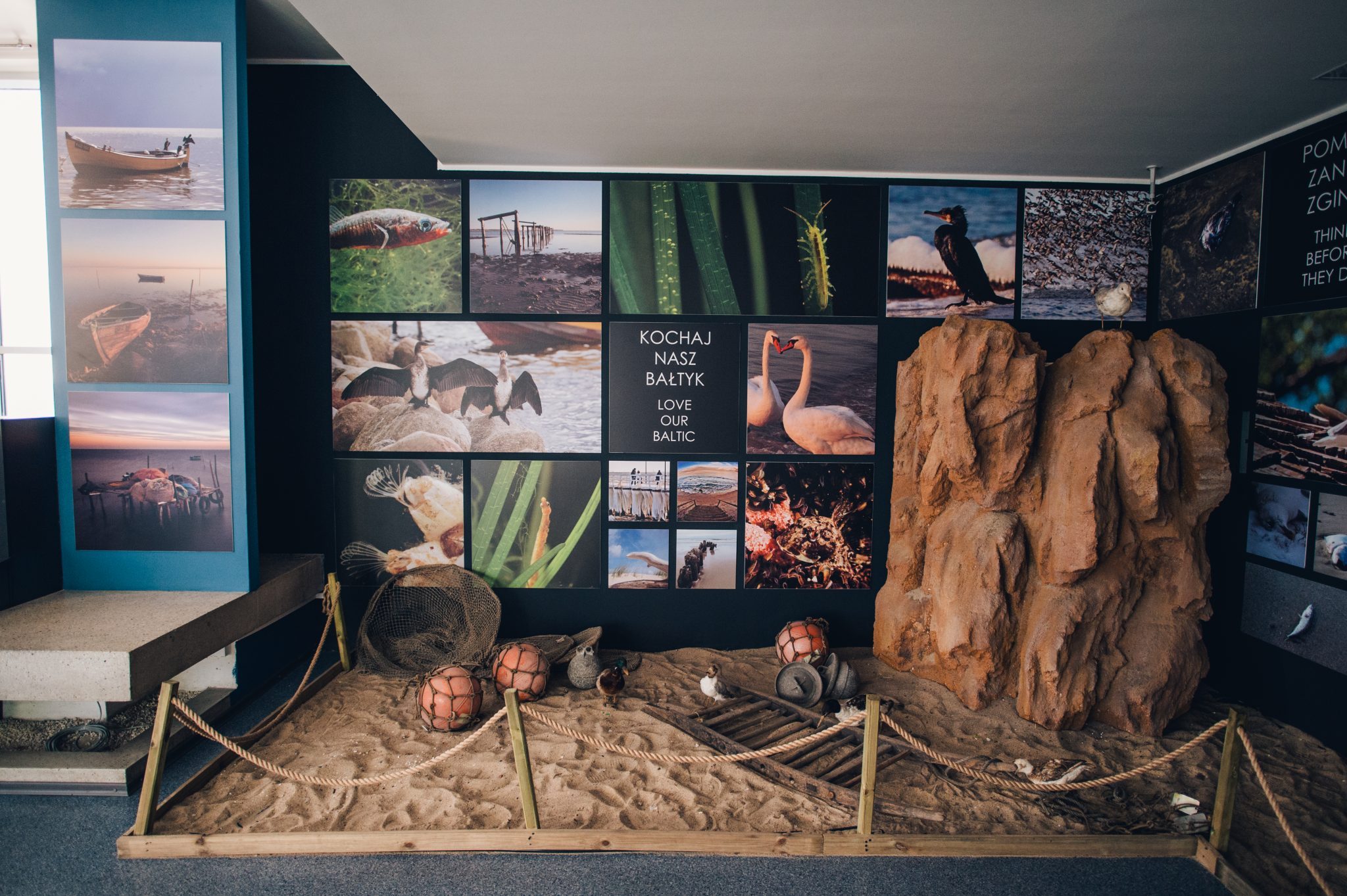
    We start our visit to the Gdynia Aquarium from a room called Zostera marina. Zostera marina is a latin name for seagrass – a plant characteristic of the Inner Puck Bay. The Bay is a reservoir with the largest biological diversity in the entire Polish coastal zone. That is why it has been protected under the Natura 2000 network.

    The five reservoirs presented in the Zostera Room contain representatives of invertebrates and fish from the weevil, goblin, spiny and flatfish families. You will also find freshwater fish here, which due to the low salinity of the Gulf of Gdańsk, inhabit it in large numbers.

    The Zostera Room is located at the first floor of the Gdynia Aquarium. It was realized thanks to the support of the Narodowy Fundusz Ochrony Środowiska i Gospodarki Wodnej.

  • Education Room

    Education Room

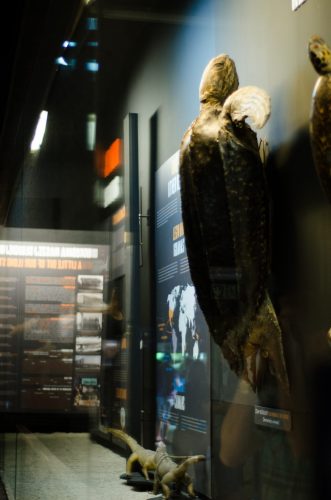
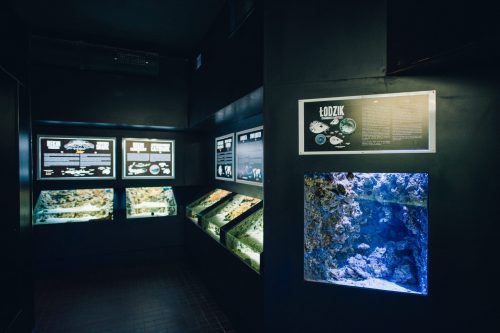
    The Education Room is the oldest of all exhibition halls of the Gdynia Aquarium and is located on the second floor of our building. There are museum collections here, which are a reminder of the rich history of the National Marine Fisheries Research Institute, of which the Aquarium is part of to this day. One of the characteristic points of this room is the Atlantic sturgeon, once the largest representative of our native ichthyofauna. It reached a length of 4 m and weight up to 300 kilograms. This species has existed on earth for millions of years, but could not resist overfishing. At the turn of the century, it almost completely disappeared from our waters. The specimen presented in the Gdynia Aquarium was caught at the Vistula estuary in 1972 and it is believed that it was the last specimen of this species that occurred in Polish waters.

  • Baltic Room

    Baltic Room

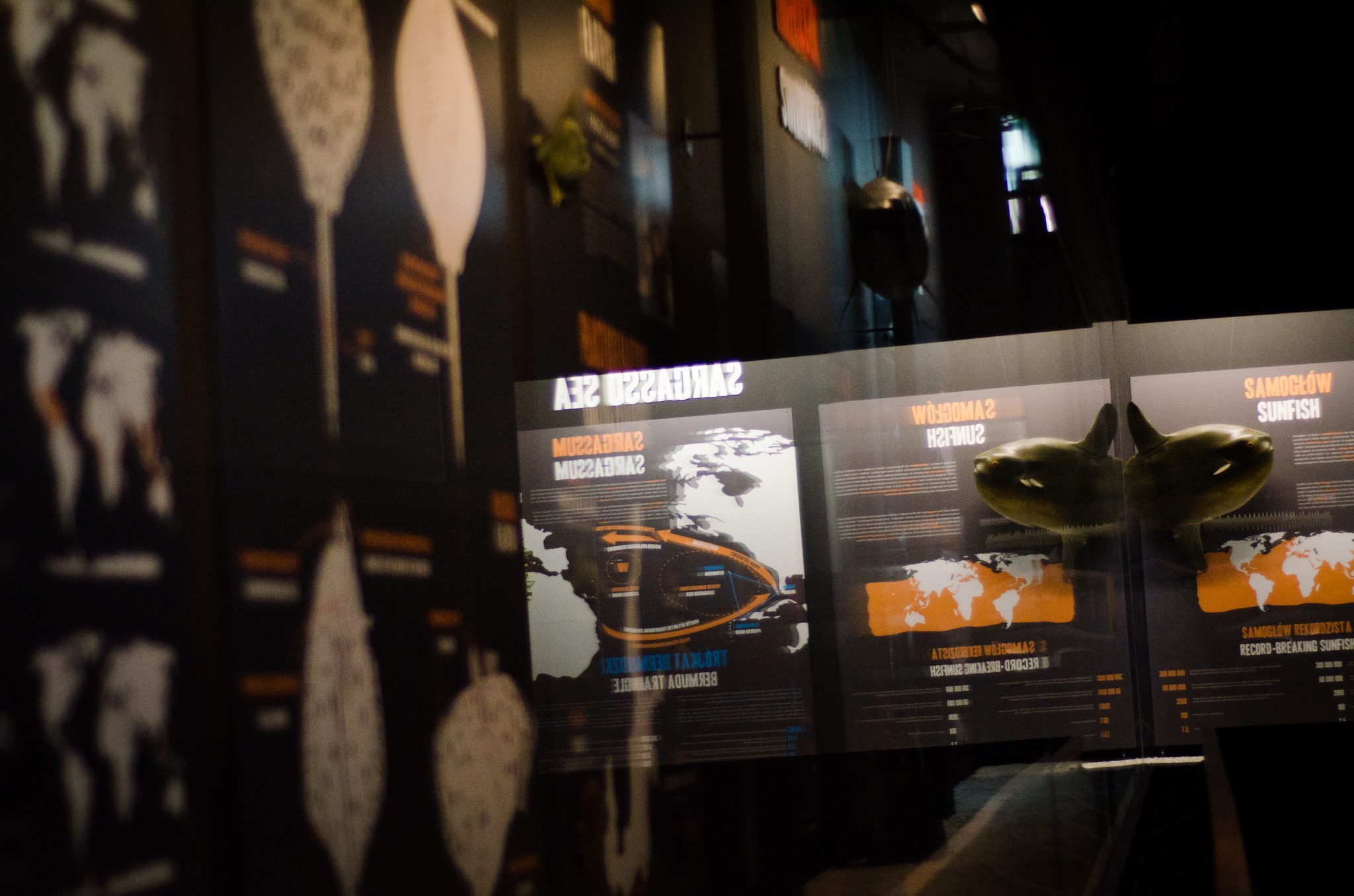
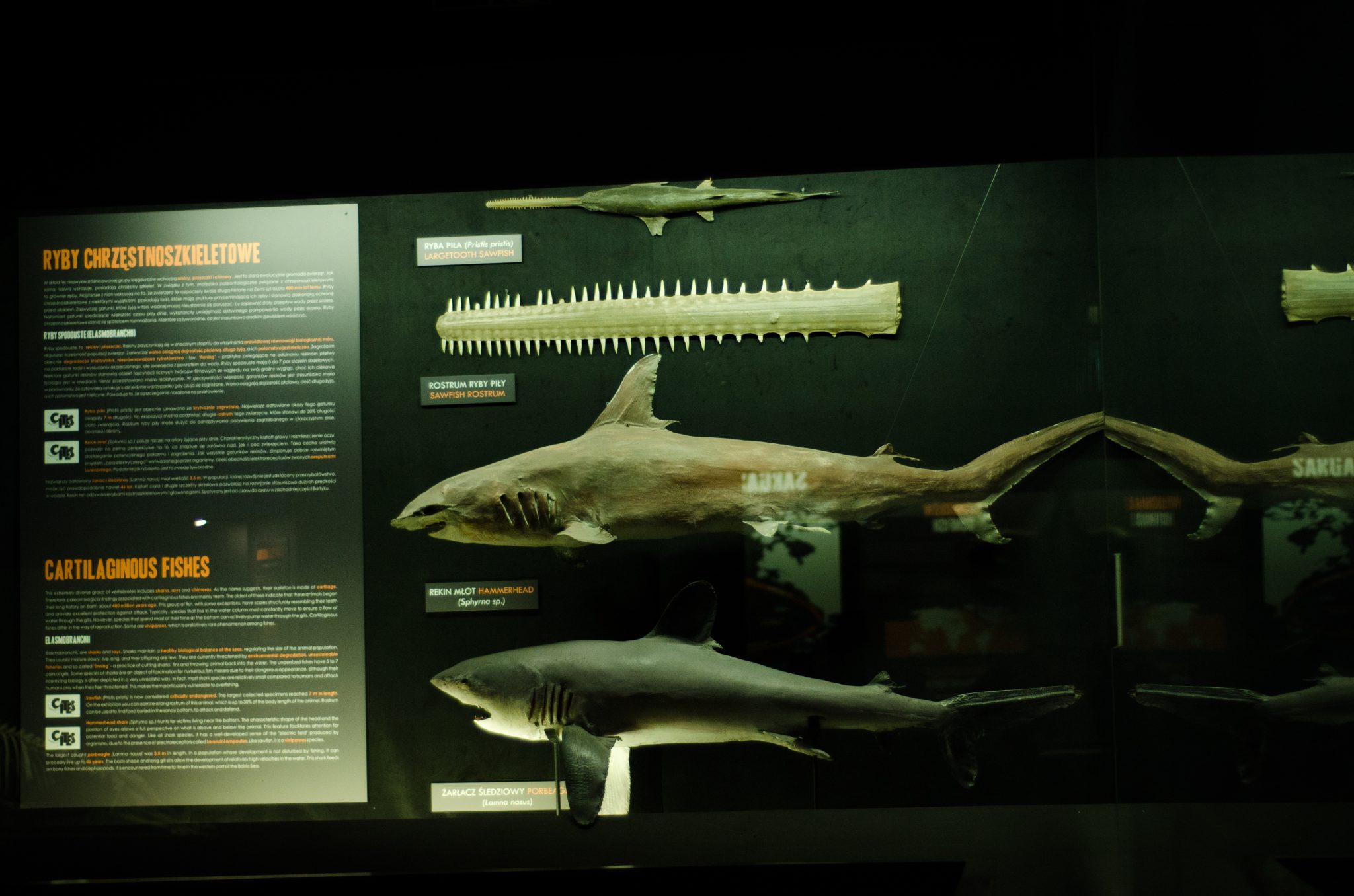
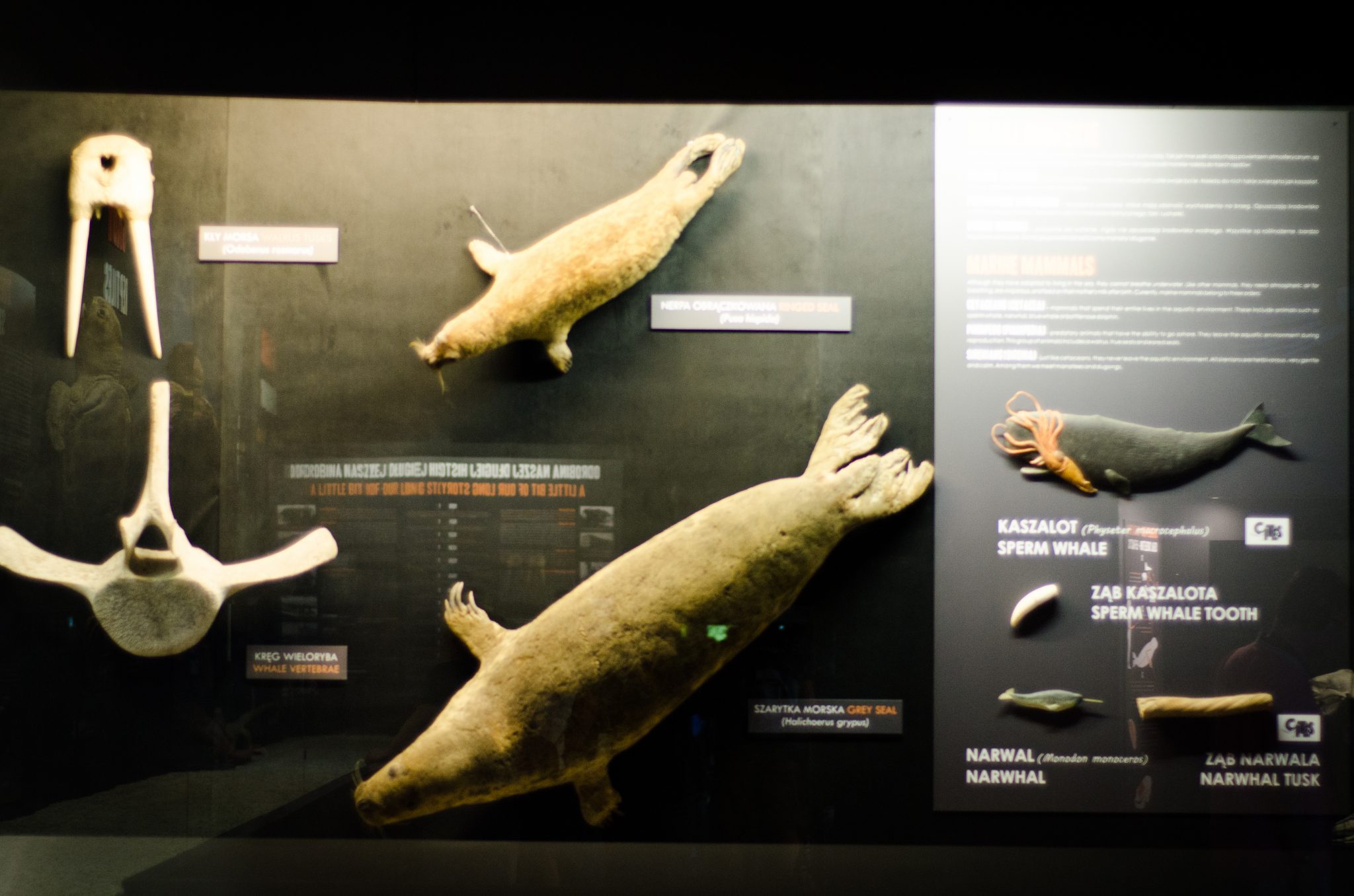
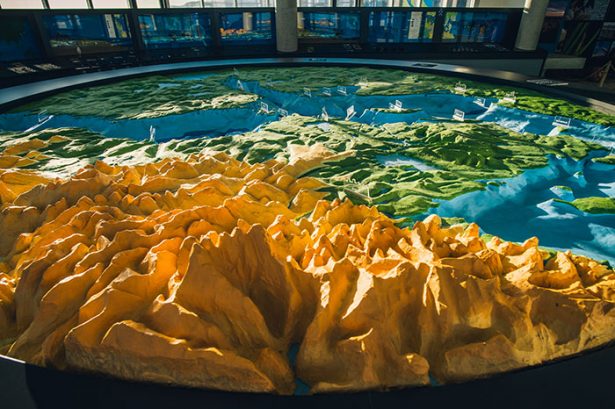
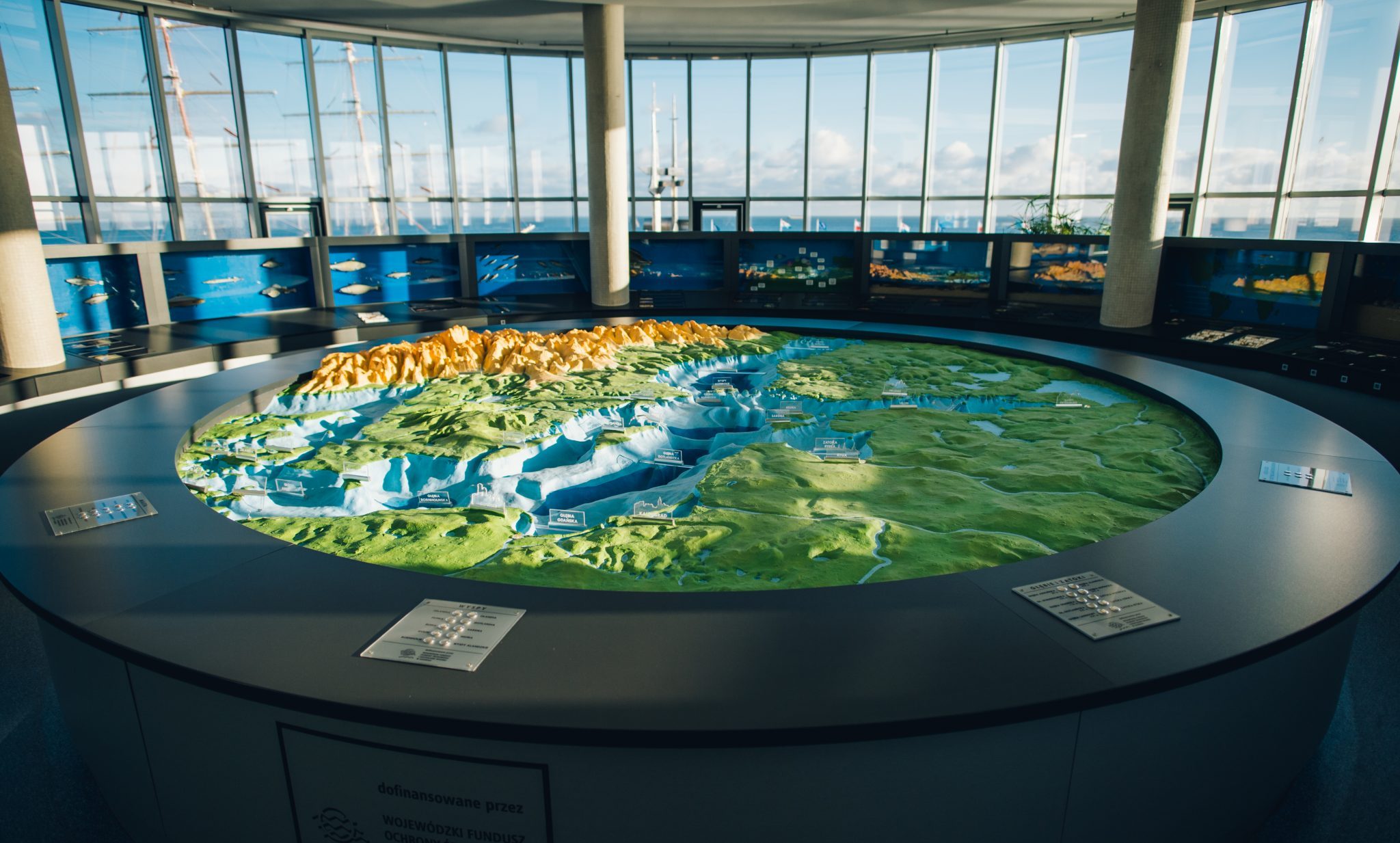
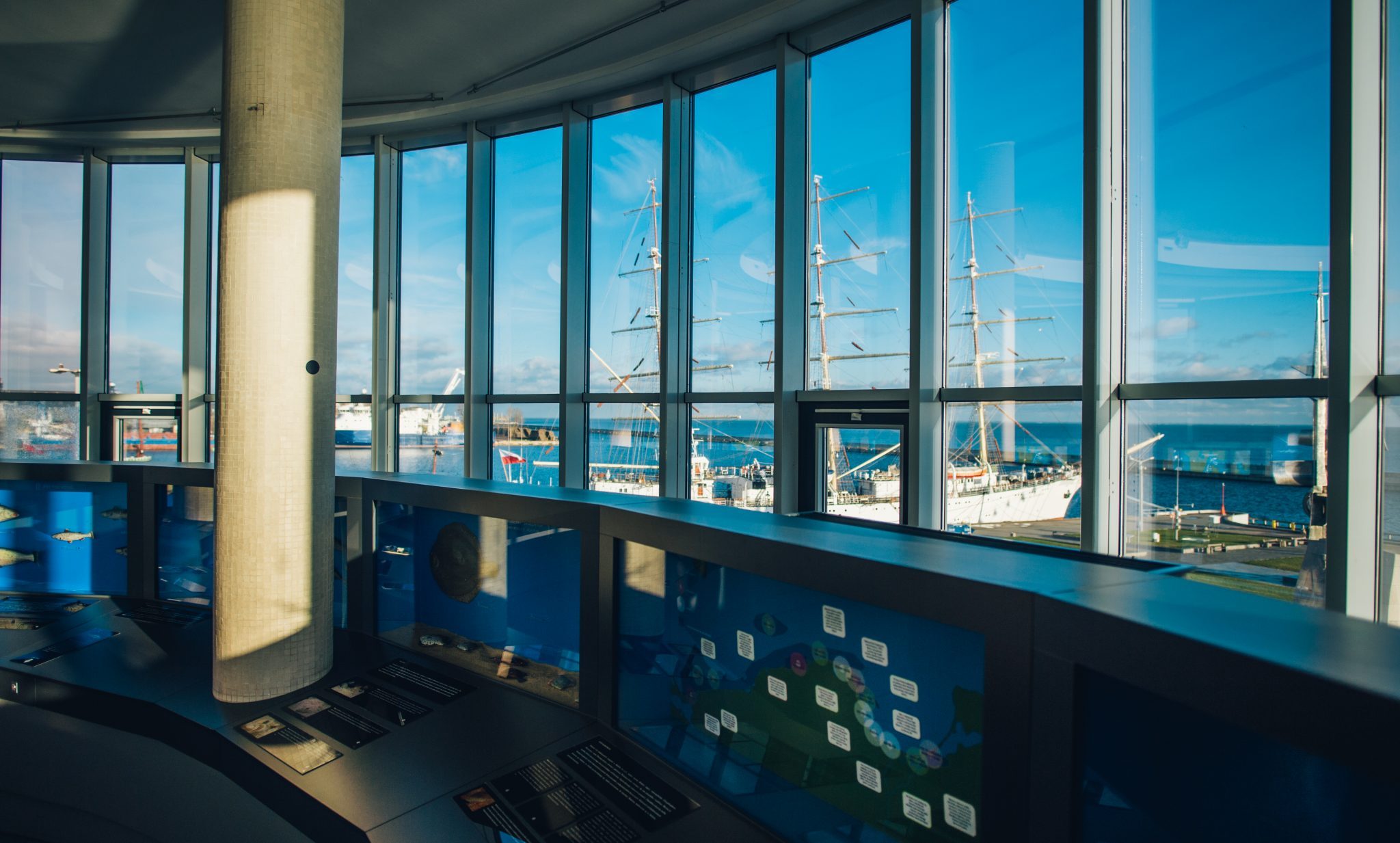
    The Baltic Room is located on the third, the top floor of the Gdynia Aquarium. This is a museum space dedicated to our sea. On the map located in the center of the room you can see the entire topography of the Baltic Sea and find such characteristic places as depths, islands or port cities. In showcases you can see exhibits representing all groups of Baltic organisms, including sharks visiting the Danish Straits.

    From the windows of this room, there is a breathtaking view of the Gulf of Gdańsk. From here you can see the cliff in Gdynia Orłowo, and when the visibility is good, Hel Peninsula.

  • Aquatic Animals of the World

    Aquatic Animals of the World

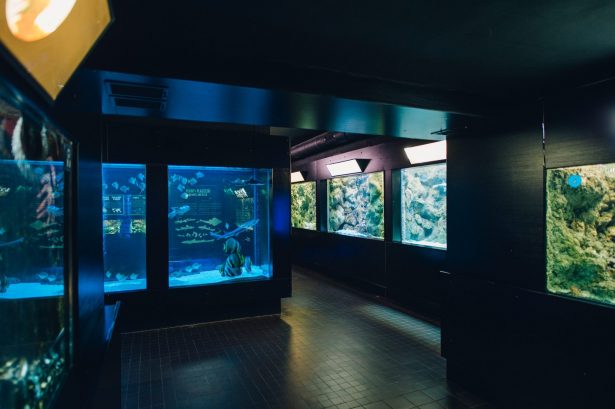
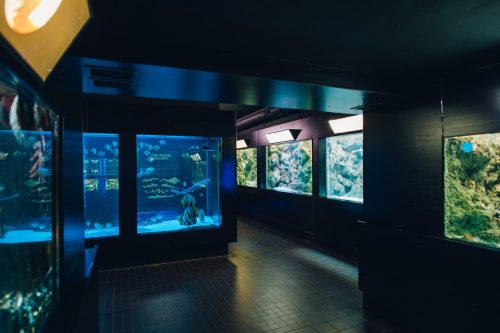
    The Aquatic Animals of the World is the first of the exhibitions presenting animals that started their lives in the Gdynia Aquarium. It is often called the dark room because of its dim light. This darkening is necessary – the animals in this exhibition inhabit the depths of the ocean – the waters of the Atlantic, North Pacific and Indo-Pacific.

    Among 19 tanks, 5 stand out, which due to their characteristic shape are called “shoes”. This form allows to better observe the animals living near the bottom. They are, for example, marbled sharks, which we successfully bred in the Gdynia Aquarium.

    At least a few shark species can be found in the Aquatic Animals of the World exhibition. However, they do not resemble the characters of the infamous “Jaws”, hence in this exhibition we particularly encourage you to read the descriptions located by the tanks.


  • Coral Reef

    Coral Reef

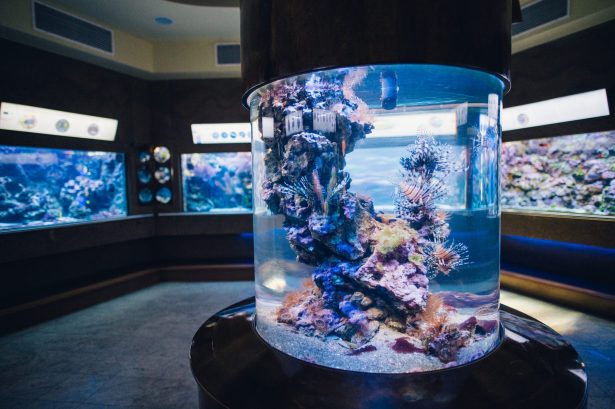
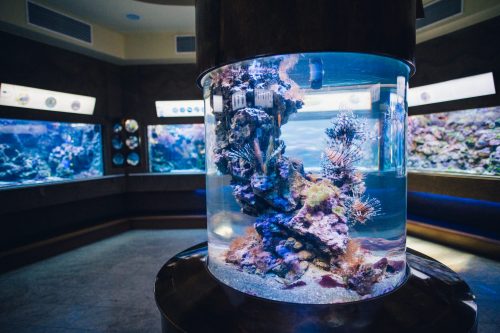
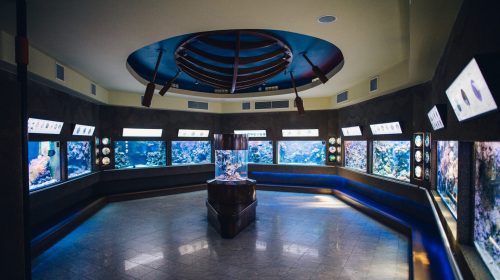
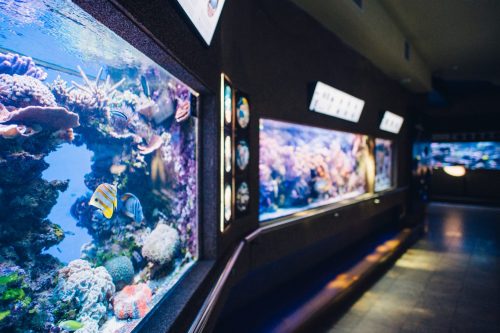
    The Coral Reef Room is located on the first floor of the Aquarium building. It has 14 tanks that present the inhabitants of one of the most biodiverse corners of the planet. The most magnificent aquarium in this room holds 3,000 liters of water. It is here that you can admire the largest living coral reef in Poland.

    In this room we will see hard and soft corals, invertebrates such as sea cucumbers and starfish, as well as fish of fabulous shapes and coloration. In the animal world, the art of camouflage is a very useful feature. However, for people who want to watch their lives is a hindrance. That is why, especially in this exhibition, it is worthwhile to look to find all its inhabitants.


Skip to content