Skip to content

Themes

The Gdynia Aquarium is one of the largest facilities of this type in the country, having the longest traditions associated with the collection and display of aquatic fauna and flora. As it belongs to the structures of the National Marine Fisheries Research Institute, which is the oldest unit dealing with marine research in Poland, the Aquarium not only presents interesting specimens, but also provides scientific knowledge about water fauna.

At the Gdynia Aquarium, which has had the status of a zoo since 2005, four main biotopes occurring in the world are presented: coral reef, ocean depth, dense tropics of the Amazon and the Baltic Sea. Their inhabitants can be found over three floors of the building, located in 68 exhibition aquariums. The capacity of the tanks ranges from 200 to 10,000 liters, which contains more than 1,500 living organisms from about 250 species. Meet our residents!

  • Amazonia

    Amazonia

    Amazonia is a humid equatorial forest located in South America. It accounts for more than half of all the planet’s rainforests. It is also the largest and the richest species in the Earth. Due to the ability of trees to produce oxygen and absorb carbon dioxide, densely forested Amazon is called the green lungs of the world.
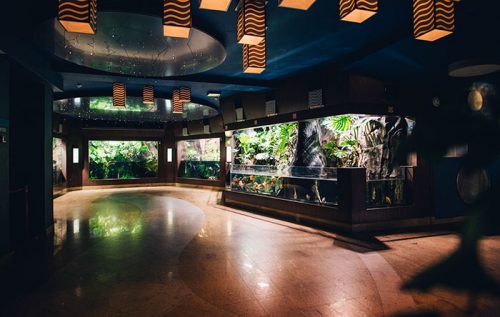
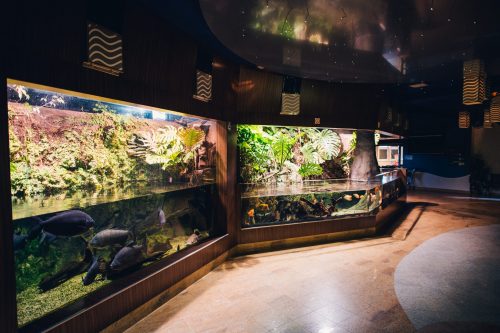
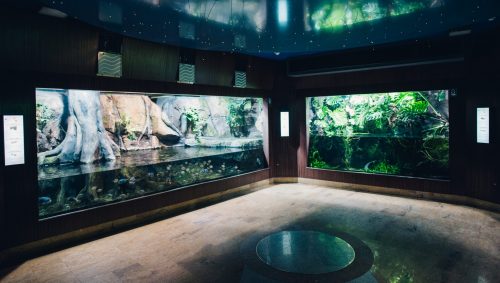
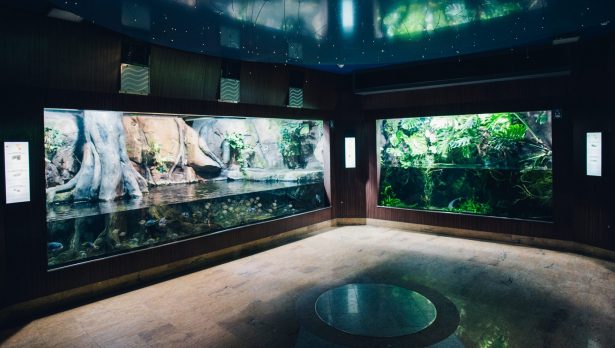
    The Amazon exhibition is located on the ground floor of the Gdynia Aquarium building and presents extremely biodiverse exosystem. There are four large reservoirs called paludars. These are specially prepared aquaterrariums adapted for breeding animals coming from places with high humidity.

    The most characteristic inhabitants of this room are green anacondas, i.e. one of the largest snakes in the world, belonging to the family of constrictors.
  • At the Border of Water and Land

    At the Border of Water and Land

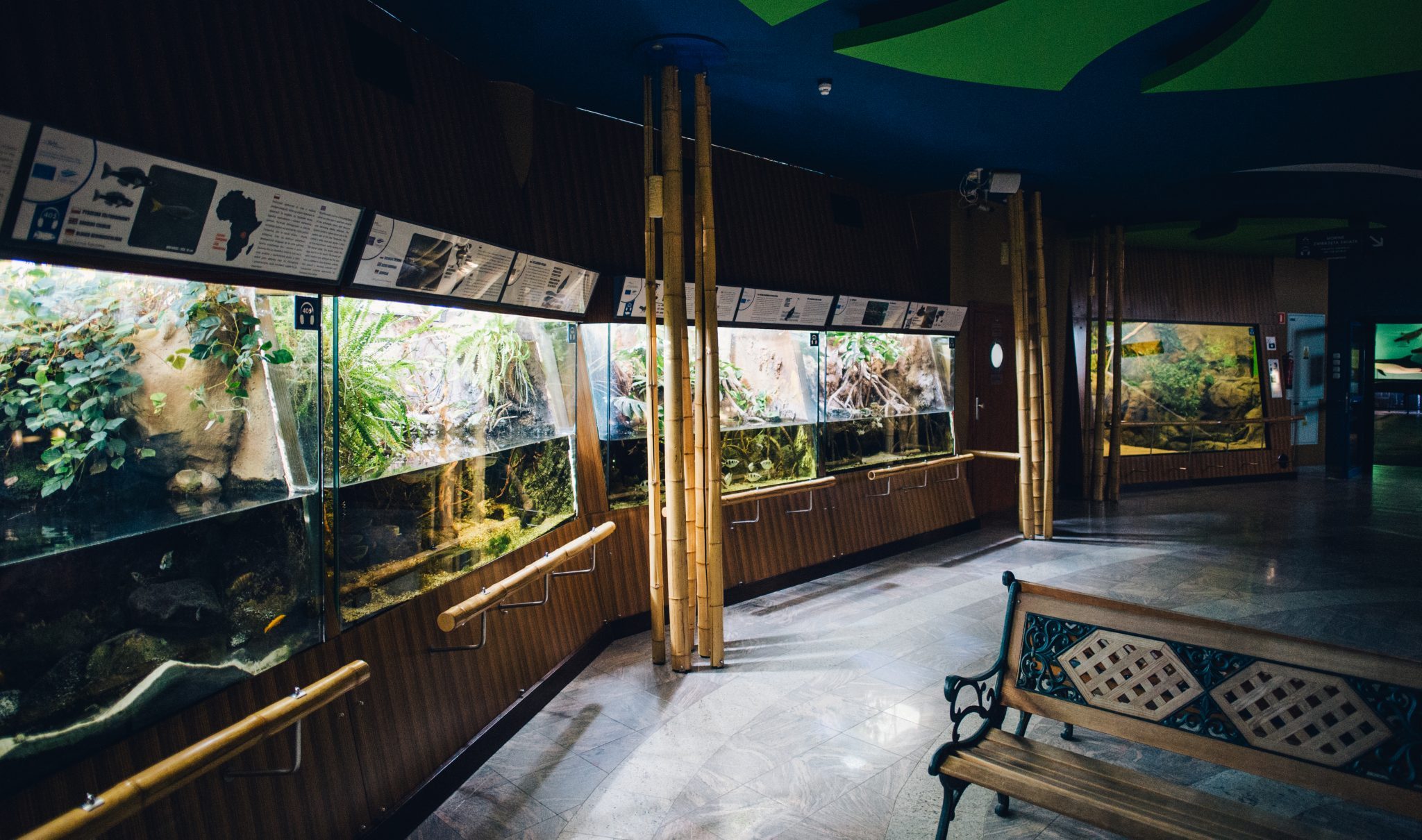
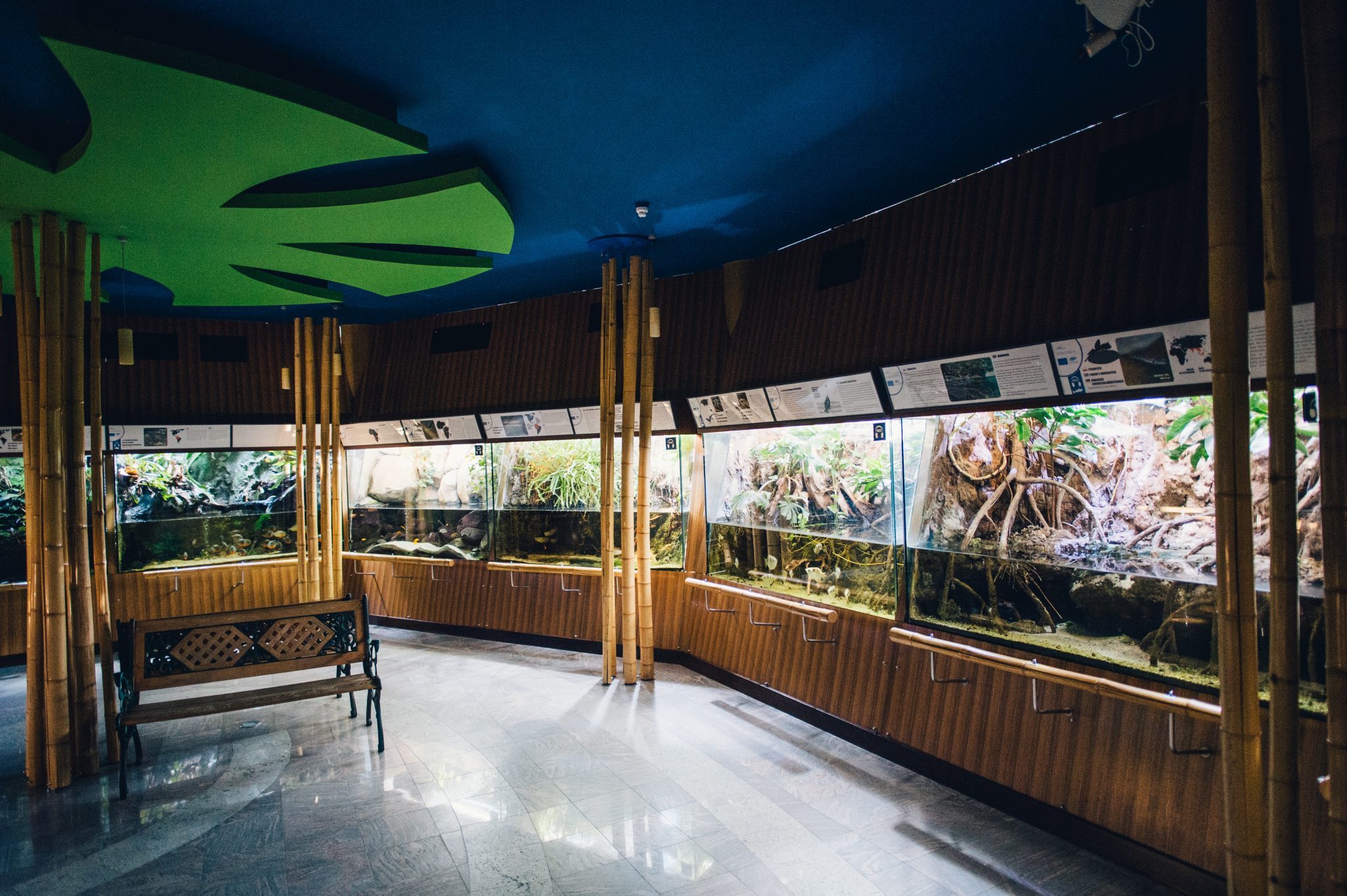
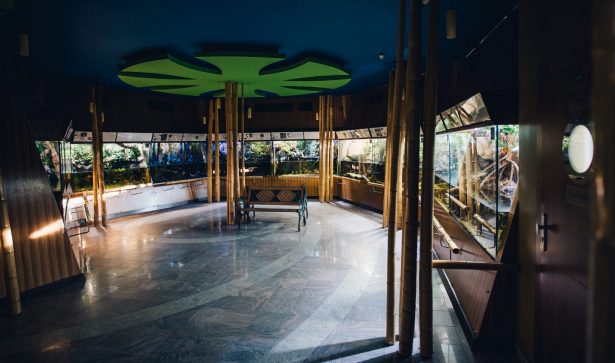
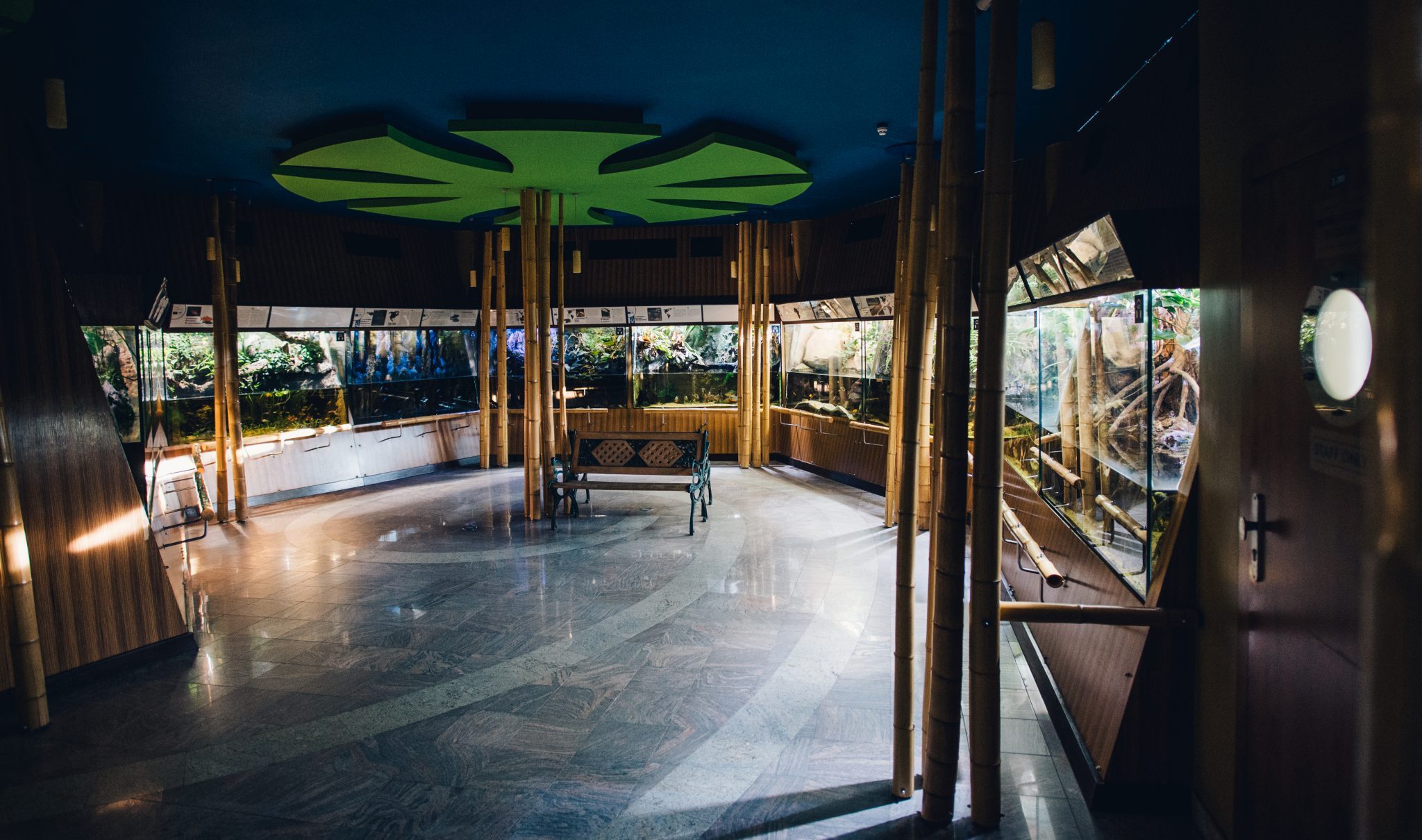
    At the Border of Water and Land exhibition is on the second floor of the Gdynia Aquarium and houses 9 tanks. Presented here are fish, amphibians and reptiles that somehow connect two worlds in their lives – aquatic and terrestrial.

    In the characteristic aquarium, reminiscent of a grotto with stalactite and stalagmite infiltrates, cave blinds live. These are fish whose body is devoid of pigment. In the natural environment they live in complete darkness, which has caused them to lose their sight through evolution. Their agile movement between the rock formations is possible thanks to the other senses, including balance and touch.

Skip to content